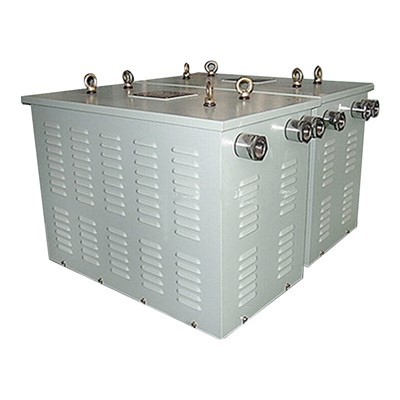
As a seasoned supplier in the field of conventional power transformers, I’ve witnessed firsthand the critical role that core materials play in the performance and reliability of these essential electrical devices. In this blog, I’ll delve into the core materials used in conventional power transformers, exploring their properties, applications, and the reasons behind their selection. Conventional Power Transformer
1. Introduction to Conventional Power Transformers
Conventional power transformers are static electrical devices that transfer electrical energy between two or more circuits through electromagnetic induction. They are widely used in power generation, transmission, and distribution systems to step up or step down voltage levels. The core of a transformer is a crucial component that provides a low – reluctance path for the magnetic flux, which is essential for efficient energy transfer.
2. Core Materials and Their Properties
2.1 Silicon Steel
Silicon steel, also known as electrical steel, is the most commonly used core material in conventional power transformers. It is an alloy of iron with a small amount (usually 2 – 4%) of silicon added.
Magnetic Properties:
Silicon steel has high magnetic permeability, which means it can easily conduct magnetic flux. This property allows for a more efficient transfer of energy between the primary and secondary windings of the transformer. The high magnetic permeability reduces the magnetizing current required to establish the magnetic field in the core, thereby improving the overall efficiency of the transformer.
Low Core Losses:
One of the most significant advantages of silicon steel is its low core losses. Core losses consist of hysteresis losses and eddy – current losses. Hysteresis losses occur due to the repeated magnetization and demagnetization of the core material as the alternating current flows through the windings. The addition of silicon to iron reduces the hysteresis loop area, thus minimizing hysteresis losses. Eddy – current losses are caused by the induced circulating currents in the core. Silicon steel has a higher electrical resistivity than pure iron, which helps to reduce eddy – current losses.
Lamination:
To further reduce eddy – current losses, silicon steel cores are typically made up of thin laminations. These laminations are insulated from each other using a thin layer of insulating material. The insulation between the laminations breaks up the conducting paths for eddy currents, effectively reducing their magnitude.
2.2 Amorphous Metals
Amorphous metals are a relatively new class of core materials that have gained popularity in recent years. These materials are produced by rapidly cooling a molten metal alloy, which results in a non – crystalline or amorphous structure.
Low Core Losses:
Amorphous metals have extremely low core losses compared to silicon steel. Their unique amorphous structure reduces both hysteresis and eddy – current losses. The absence of a regular crystalline structure means that there are fewer magnetic domain walls, which reduces the energy required for magnetization and demagnetization, resulting in lower hysteresis losses. Additionally, their high electrical resistivity helps to minimize eddy – current losses.
Energy Efficiency:
Due to their low core losses, transformers using amorphous metal cores are more energy – efficient than those using silicon steel cores. This makes them an attractive option for applications where energy conservation is a priority, such as in distribution transformers.
Cost and Availability:
However, amorphous metals are more expensive to produce than silicon steel, which limits their widespread use. Additionally, they are more brittle than silicon steel, which can make them more difficult to manufacture into transformer cores.
2.3 Ferrite Materials
Ferrite materials are ceramic compounds composed of iron oxide and one or more other metals, such as manganese, zinc, or nickel.
High Resistivity:
Ferrite materials have very high electrical resistivity, which makes them ideal for high – frequency applications. In high – frequency transformers, eddy – current losses can be a significant problem, and the high resistivity of ferrite materials helps to minimize these losses.
Low Hysteresis Losses:
Ferrite materials also have relatively low hysteresis losses at high frequencies. Their magnetic properties can be tailored by adjusting the composition of the ferrite, allowing for the optimization of the transformer’s performance for specific applications.
Limitations:
However, ferrite materials have lower saturation flux density compared to silicon steel and amorphous metals. This means that they are not suitable for high – power, low – frequency applications where a large amount of magnetic flux needs to be carried by the core.
3. Selection of Core Materials
3.1 Application Requirements
The choice of core material depends largely on the application requirements of the transformer. For example, in large – scale power transmission and distribution transformers, silicon steel is the most commonly used material due to its good balance of cost, performance, and availability. These transformers typically operate at low frequencies (50 or 60 Hz) and require a core material that can handle large amounts of magnetic flux with relatively low losses.
In high – frequency applications, such as in electronic power supplies or telecommunications equipment, ferrite materials are often preferred due to their high resistivity and low hysteresis losses at high frequencies.
3.2 Cost Considerations
Cost is another important factor in the selection of core materials. Silicon steel is relatively inexpensive and widely available, making it a cost – effective choice for most conventional power transformers. Amorphous metals, on the other hand, are more expensive, but their energy – saving benefits may offset the higher initial cost in some applications, especially in long – term use.
3.3 Energy Efficiency Goals
With the increasing focus on energy efficiency and environmental sustainability, the demand for transformers with lower core losses is growing. Transformers using amorphous metal cores or advanced grades of silicon steel can help to meet these energy efficiency goals, although the choice will depend on the specific requirements and budget of the project.
4. Our Role as a Conventional Power Transformer Supplier
As a supplier of conventional power transformers, we understand the importance of selecting the right core material for each application. We work closely with our customers to understand their specific requirements, including voltage levels, power ratings, frequency, and energy efficiency goals.
We offer a wide range of transformers with different core materials to meet the diverse needs of our customers. Our transformers with silicon steel cores provide a reliable and cost – effective solution for most power transmission and distribution applications. For customers who are looking for higher energy efficiency, we also offer transformers with amorphous metal cores.
We have a team of experienced engineers and technicians who ensure that our transformers are designed and manufactured to the highest quality standards. We use advanced manufacturing processes and testing equipment to ensure the performance and reliability of our products.
5. Conclusion and Call to Action
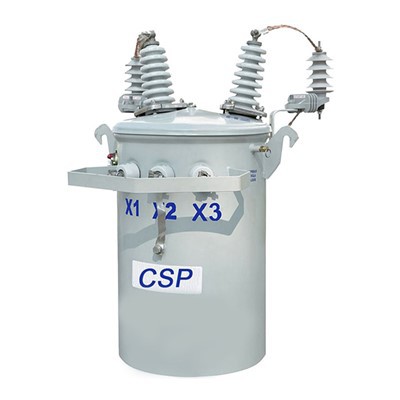
In conclusion, the core materials used in conventional power transformers play a vital role in determining their performance, efficiency, and cost. Silicon steel remains the most widely used core material due to its good combination of magnetic properties, low losses, and cost – effectiveness. However, amorphous metals and ferrite materials offer unique advantages in certain applications, especially where energy efficiency or high – frequency operation is required.
Conventional Power Transformer If you are in the market for a conventional power transformer, we would be delighted to assist you. Our team can provide you with expert advice on the selection of the right core material and transformer design to meet your specific needs. We are committed to providing high – quality products and excellent customer service. Contact us today to start a discussion about your power transformer requirements and let us help you find the best solution for your project.
References
- "Power Transformer Engineering: Design and Application" by J. Lewis Blackburn and Thomas J. Domin.
- IEEE Standards for Power Transformers.
- Technical literature on electrical materials from major manufacturers such as ABB, Siemens, etc.
Nantong Yawei New Energy Technology Co., Ltd.
As one of the most professional conventional power transformer manufacturers and suppliers in China, we’re featured by quality products and good service. Please rest assured to wholesale durable conventional power transformer made in China here from our factory. Customized orders are welcome.
Address: Room 28-101, Building 27 and 28, No.333 Kaiyuan Avenue, Sunzhuang Subdistrict, Hai’an City, Nantong City, Jiangsu Province, China
E-mail: admin@nantongyawei.com
WebSite: https://www.nantongyawei.com/
