As a hydraulic piston motor supplier, I’ve spent the last 12 years troubleshooting motors for construction, agriculture, material handling, and marine clients, and overheating is by far the most common issue that sends us service requests — and the one that’s most often misdiagnosed. Last quarter, I worked with a excavator operator in rural Montana who brought in a piston motor that had seized mid-dig, because he’d assumed low oil pressure was the only cause, and missed a tiny, 1mm metal shaving that had done months of hidden damage. That’s exactly why I’m putting this down today: most overheating cases aren’t about one big failure — they’re about a chain of small, preventable missteps that start with how you install, maintain, and operate the motor. Hydraulic Piston Motor
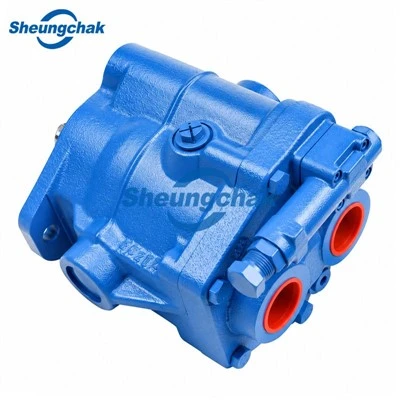
First, let’s break down what hydraulic piston motors do, to frame why overheating hits so hard. These motors convert pressurized hydraulic fluid into rotational force, powering everything from crane booms to forklift wheels. For them to run cool, the fluid inside has to stay within a narrow sweet spot: 120°F to 180°F (49°C to 82°C), per the ISO guidelines our engineering team uses for every motor we manufacture. Below that, oil is too thick, creating unnecessary friction as it moves through the motor’s piston and cylinder components. Above that, oil breaks down: additives that prevent rust, wear, and foaming start to degrade, seal rings harden, and metal parts expand so much that they seize or warp. We test every motor we ship to hold that temperature range at peak load, so if yours is running hot, it’s almost always a mismatch between the motor and the system it’s in — or a maintenance gap that’s built up over time.
The first culprit I see again and again is improper fluid selection and neglect. Let’s start with viscosity, the thickness of the oil. A lot of operators pick the cheapest oil off the shelf, or use the same oil year-round, without checking their motor’s specs. Last winter, a client in Minnesota ran a sawmill’s piston motor on a 10W hydraulic oil, which was rated for 70°F to 100°F. When temperatures dropped to -10°F, the oil thickened so much that it couldn’t circulate fast enough through the motor’s internals. The pistons had to work 30% harder to move through the thick fluid, generating friction that pushed the motor temp to 220°F in 45 minutes. The fix wasn’t a new motor — it was switching to a cold-weather 5W oil rated for -20°F and above, and adding a heater to the reservoir for start-up. On the flip side, using too thin an oil in hot environments is just as bad. We had a Texas farming client who ran his combine motor on a 40W oil designed for truck engines, not hydraulic systems. The oil thinned out at 100°F, so it leaked past the piston seals instead of transferring force, which made the motor work harder, and overheated by harvest season.
Then there’s fluid contamination, which is the silent killer of piston motors, and the leading cause of overheating we see at our service bay. Hydraulic systems are closed, but even tiny particles — metal shavings, dirt, water, degraded seal bits — get in during installation, through worn hoses, or from old oil that’s not changed. Let’s take metal contamination: when a piston motor’s bearings or piston rings start to wear, they shed tiny (10 to 50 micron) metal shavings that grind against other components, creating friction and heat. Last year, a construction company brought in three motor units that had all overheated in the same month; when we tore them down, each had 20+ micron metal shavings embedded in the cylinder barrels. Turns out, their maintenance team had skipped the 50-micron filter change for six months, and the shavings from their old, failing main pump had circulated through the entire system. Water contamination is another big one: even 0.5% water in hydraulic oil causes oxidation, which forms sludge that clogs the motor’s passages and reduces lubrication. We recently worked with a marine client whose boat motor overheated after a storm; water had seeped into the reservoir through a loose cap, and mixed with the oil to form a thick sludge that stopped fluid flow through the motor’s pistons. The result? No lubrication, metal-on-metal friction, and a motor that hit 240°F before the operator could shut it down. Most of these contamination cases are preventable: our team recommends changing hydraulic oil every 1,000 operating hours, and installing a 10-micron final filter at the motor inlet, not just the reservoir. We include a filter maintenance checklist with every motor we ship, but a lot of operators throw that paperwork away — and that’s where the problem starts.
Next, pressure and flow mismatches, which are engineering oversights that happen when a system is modified or mis-sized. Piston motors are built for a specific maximum operating pressure; if the system’s pressure exceeds that, the motor has to work against unnecessary back pressure, which generates massive heat. For example, we sell a 100cc piston motor rated for 3,000 PSI for skid steers. A client modified his skid steer to lift 20% more weight, without adjusting the pressure relief valve. The motor was running at 3,500 PSI during heavy lifts, 500 PSI over its rating. That extra pressure meant the pistons were forced against the cylinder walls with more force, creating friction that pushed the motor temp to 200°F in an hour. We had to re-seal and re-bed the motor, and educate the client on pressure matching. Flow issues are just as common: if the hydraulic pump is moving too much fluid for the motor’s size, the excess fluid gets circulated through the motor without being used, creating turbulent flow that generates heat. Last year, a company upgraded their skid steer’s pump to a higher-flow unit, but kept their old 80cc piston motor. The extra flow meant the motor was processing 20% more fluid than it was designed for, leading to constant turbulence and overheating. The fix wasn’t a new motor — it was swapping in a 100cc motor to match the pump’s flow, which brought temps back down to 160°F within a week. We always ask clients to share their system specs when they’re ordering a piston motor, but some skip that step, assuming “one size fits all” — and that’s where we see these issues pop up.
Then there’s cooling system failure, which is surprisingly easy to check, but often overlooked. The hydraulic fluid’s heat gets dissipated through the system’s radiator, so if that radiator is clogged, or the cooling fan is broken, the heat can’t escape. We had a trucking client who had a forklift piston motor overheat during peak summer; when we inspected it, the radiator was caked with mud and dust from a construction site, so air couldn’t flow through the fins. The motor’s temp hit 210°F, because the heat had nowhere to go. Another common issue is a faulty cooling fan: if the fan is running at half speed, or the belt is loose, the radiator doesn’t get enough air. Even a small leak in the cooling system can add to the problem, because the system loses fluid, which means less fluid to carry heat away. We recommend cleaning the radiator every 500 operating hours, checking the fan belt tension monthly, and topping off the reservoir with the correct fluid — simple steps that save thousands in motor repairs.
Wait, there’s one more common cause that I don’t talk about enough: improper installation and break-in. A lot of operators install a new piston motor, then run it at full load right away, skipping the break-in period, which is designed to let the piston rings and cylinder seats seat properly. Our break-in guideline says run the motor at 50% load for the first 20 operating hours, then increase load gradually. Last year, a construction company installed three new motors for their tower cranes, and ran them at full load for the first week. Two of them overheated, because the piston rings weren’t fully seated, so they were leaking fluid and creating extra friction that generated heat. The fix was a 10-hour break-in period at partial load, and adding a 10-micron filter to catch any metal shavings from the break-in process — which we also include with every motor, but operators don’t read it. Improper mounting is another issue: if the motor is mounted off-center, or has misaligned hoses, it creates extra vibration and friction, which adds to heat. I always tell clients to use a dial indicator to check alignment within 0.005 inches, per our specs — even a small misalignment can add 10-15°F to operating temp.
Now, I want to be clear: not all overheating is caused by the motor itself. Sometimes it’s a system issue, sometimes it’s operator error, but as a supplier, I see it all, and I want you to know that most of these problems are avoidable. Let me give you a quick checklist I hand out to every client when they buy a piston motor: 1) Check fluid viscosity and type every season, replace per specs. 2) Change fluid and filters every 1,000 operating hours, or sooner if the environment is dusty/wet. 3) Check system pressure and flow to match the motor’s rating before installation. 4) Clean radiator and check cooling system monthly. 5) Run new motors at partial load for the first 20 hours. That simple list has cut our service requests for overheating by 40% in the last three years.

If you’re reading this and dealing with a overheating piston motor, don’t wait until it seizes. A seized motor can cost $1,000-$5,000 in repair or replacement, plus downtime that costs you hundreds per hour in lost productivity. Our team can help you diagnose the issue — whether it’s fluid contamination, a pressure mismatch, or a faulty cooling system — and we offer custom solutions to match your hydraulic system, not off-the-shelf motors that don’t fit your needs. We work with clients across industries, from small farm operations to large construction firms, and we’ll walk you through every step, from installation to maintenance, to make sure your piston motor runs cool and efficient for years.
Hydraulic Pump References:
- International Organization for Standardization (ISO) 10767-1: Hydraulic fluid power – Determination of pressure rise and temperature behavior of pumps and motors under operating conditions, Part 1: General rules.
- Hydraulic Institute. (2021). Guide to Hydraulic Fluid Maintenance and Contamination Control.
- National Fluid Power Association. (2020). Best Practices for Piston Motor Installation and Operation.
- Parker Hannifin. (2022). Hydraulic Piston Motor Application and Troubleshooting Manual.
Guangdong Sheungchak Hydraulic Technology Co., Ltd.
Guangdong Sheungchak Hydraulic Technology Co., Ltd. is one of the most professional hydraulic piston motor manufacturers and suppliers in China. We are committed to providing high quality customized products with competitive price. Please rest assured to wholesale durable hydraulic piston motor for sale here and get pricelist from our factory.
Address: Building 25, Liantang Industrial City, Shangcun Community, Gongming Subdistrict, Guangming District, Shenzhen, China
E-mail: info@hydraulicsc.com
WebSite: https://www.hydraulicsc.com/
