When you’re a multistage pump supplier, the most common question we get from plant managers, maintenance supervisors, and even junior equipment technicians isn’t about buying a new pump—it’s about keeping the one they already have running right. Multistage pumps, with their stacked impellers that build high pressure for water transfer, wastewater treatment, chemical processing, or oil and gas applications, rely entirely on their seals to prevent leaks, extend component life, and avoid costly unplanned downtime. A failed seal isn’t just a minor inconvenience; it can flood a work site, contaminate process fluids, or shut down an entire production line for days. After 12 years of selling, installing, and supporting multistage pumps for customers across manufacturing, municipal water, and energy sectors, I’ve seen firsthand how small, consistent seal maintenance habits beat expensive emergency repairs or premature seal replacements. Today, I’m breaking down exactly how to maintain a multistage pump seal, from pre-installation checks to routine upkeep and troubleshooting, so you can avoid the most common seal-related headaches. Multistage Pump
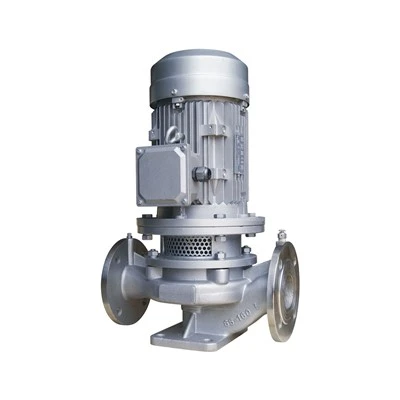
First, let’s get the basics right: not all multistage pump seals are the same. Most of our standard industrial multistage pumps use two primary seal types—mechanical seals and gland packing seals—each requiring a different care routine. Gland packing, still common in older pumps or low-pressure applications, uses braided fiber or synthetic material compressed around the pump shaft to create a barrier. Mechanical seals, which are the industry standard for new mid-to-high-pressure multistage pumps, use two lapped, precision surfaces (one rotating on the shaft, one stationary on the pump housing) separated by a thin film of fluid to prevent leaks. I always tell new customers: match your maintenance to your seal type. Skipping this step leads to wasted time and unnecessary repairs. For example, a maintenance team working on a pump with gland packing can’t apply the same pressure adjustments to the gland as they would to a mechanical seal, and vice versa.
Let’s start with pre-operational checks, because even the best seal will fail fast if you don’t catch issues before you first turn on the pump. This is step zero, whether you’re commissioning a brand new pump or restarting an idle unit that’s been sitting for months. The first thing I teach every new site maintenance lead is to inspect the seal chamber for debris before every startup. Multistage pumps pull a lot of fluid through their stages, so even tiny particles (sand, rust scale from old pipework, or small amounts of chemical residue) can get trapped between the seal’s rotating and stationary faces, causing abrasive wear that leads to leaks within hours. Last year, a municipal water customer brought a 10-stage pump to our service bay—they’d installed a new mechanical seal but it leaked 20 minutes after startup. We pulled the pump apart and found a 1mm rust particle wedged between the seal faces; the particle had scored the lapped surface, creating a gap that fluid seeped through. The fix wasn’t a new seal (though they did need a replacement) but a thorough flush of the suction line and seal chamber before reinstallation. We now include a seal chamber inspection checklist with every pump we deliver, and I make sure every customer knows to run this check before every startup.
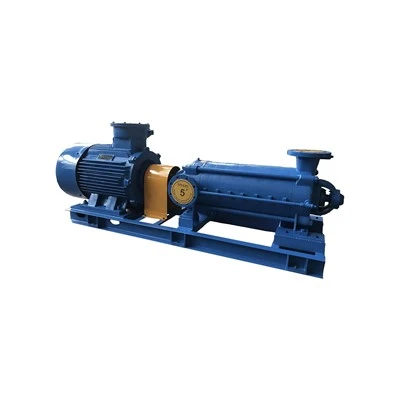
Next, for mechanical seals, the single most important maintenance habit is monitoring and adjusting the seal’s flush plan. Multistage pumps operate at much higher pressures than single-stage models, which means the fluid around the seal can overheat or vaporize if not properly cooled and lubricated. That’s why mechanical seals rely on a flush plan—a continuous flow of clean, compatible fluid directed at the seal faces to carry away heat, prevent dry running, and flush out debris. For most of our standard horizontal multistage pumps, the default flush is a recirculating line that takes a small amount of process fluid from the pump’s discharge side and sends it back to the seal chamber. But here’s the catch: that flush flow rate has to be calibrated. Too little flow, and the seal faces get hot, leading to thermal expansion that warps the lapped surfaces or causes the fluid film to break, resulting in dry running. Too much flow, and you’re wasting energy and process fluid, plus you can erode the seal faces over time. We recommend checking flush flow rates monthly for pumps running continuously, and bi-weekly for units that run on a shift basis. To do this, you can use a simple flow meter installed on the flush line—for our pumps, the ideal rate is between 0.5 and 2 gallons per minute, depending on the pump’s stage count and pressure rating. Last quarter, we worked with a food and beverage plant that was running a 6-stage pump for raw water transfer; their flush flow was set to 0.2 gallons per minute, which caused the seal to overheat every 30 days. After adjusting the flow to 1.2 gallons per minute, the seal ran for 4 months without issues, cutting their seal replacement costs by 75% that quarter.
For gland packing seals, which are still used in many low-to-medium-pressure applications like agricultural water pumps or small wastewater units, the routine adjustment is different. Gland packing works by being slightly leaky—you want a small amount of fluid to seep through to lubricate the packing and prevent shaft wear. A common mistake here is over-compressing the gland, which squeezes the packing too tight, creates excessive friction, and burns out the packing in days instead of months. The rule of thumb I teach for gland packing is to adjust the gland nuts so that the packing leaks at a rate of 30 to 60 drops per minute. Too few drops, and the packing is too tight; too many, and you’re losing fluid and wearing the shaft. We also recommend replacing gland packing every 6 to 12 months, depending on the pump’s run time, even if it looks intact. Old packing hardens over time, loses its lubricating properties, and can develop cracks that allow debris to get in—even if you adjust the gland correctly, worn packing will lead to leaks.
Beyond routine checks, there are several seasonal or long-term maintenance steps that keep multistage pump seals working for years. First, keeping the pump and its surroundings clean sounds obvious, but it’s a step that’s often overlooked. Dust, grime, or chemical residue can build up on the seal housing, blocking ventilation for the seal and causing heat buildup. Every quarter, we suggest wiping down the entire pump, especially around the seal chamber, and checking that the seal’s vent ports (small holes designed to release air or vapor from the seal cavity) are clear. If a vent port gets blocked, air can get trapped in the seal chamber, leading to cavitation—another common cause of seal failure. Cavitation happens when low pressure in the pump causes fluid to form vapor bubbles, which collapse violently, creating shock waves that damage both the impellers and the seal faces. For multistage pumps, cavitation is extra risky because the stacked impellers amplify the pressure fluctuations. To prevent this, we recommend checking the pump’s suction pressure weekly, and adjusting the valve or suction line if the pressure is below the manufacturer’s recommended level (which we include in every pump’s installation manual).
Another long-term step is monitoring seal vibration. Multistage pumps, because they have multiple rotating impellers, can develop misalignment over time—either from improper installation, wear on the shaft bearings, or pipe stress that pulls the pump off center. Even a small misalignment, as little as 0.005 inches, can cause excessive shaft movement that wears the seal faces unevenly, leading to leaks. The good news is that checking vibration is easy with a basic vibration meter, which costs a few hundred dollars and pays for itself in avoided seal repairs. We advise customers to check pump vibration monthly; normal vibration for a multistage pump running at full speed is under 0.1 inches per second. If vibration rises above 0.2 inches per second, it’s time to inspect the shaft alignment and replace any worn bearings. Last year, a chemical plant called us because their 12-stage pump was leaking seal fluid every week; we tested the vibration and found it was 0.3 inches per second, caused by a worn thrust bearing. Replacing the bearing cost a fraction of what a new seal would have cost, and the seal ran without issues for another 18 months.
Of course, even with perfect maintenance, seals will eventually fail. The key is to catch the warning signs early before a small leak turns into a major shutdown. The most common seal failure warning signs are: increased leak rate, unusual noise from the pump (squealing or grinding, which usually means dry running), higher than normal power consumption (a sign of friction from a worn seal), or visible discoloration around the seal housing (which can indicate overheating). If you notice any of these, shut down the pump, inspect the seal, and address the issue before restarting. For minor leaks, sometimes a simple flush of the seal chamber and adjustment of the flush flow rate will fix the problem. For more serious issues, like scored seal faces or worn bearings, it’s better to replace the seal and any worn parts than to keep running the pump and risk a full failure.
Now, as a multistage pump supplier, I can’t stress enough that proper seal maintenance starts with choosing the right seal for your application in the first place. We’ve seen customers try to use a standard mechanical seal for a high-pressure oil transfer pump, or a gland packing for a municipal water pump with high solids content, and wonder why it keeps failing. That’s why every pump we sell comes with a seal matched to its intended use—we work with customers to review their operating conditions, pressure ratings, fluid type, and run time, and recommend a seal that’s designed to handle those specifics. We also offer annual seal maintenance packages for regular customers, where our service team comes out to inspect the seals, adjust flush plans, check alignment, and replace packing or seals before they fail. For small customers who don’t have a full-time maintenance team, we also provide on-site training so their staff can do basic checks and adjustments on their own.
At the end of the day, maintaining a multistage pump seal isn’t complicated—it’s consistent, small steps that add up to longer equipment life, fewer unplanned shutdowns, and lower costs. If you’re struggling with seal leaks, high maintenance costs, or unplanned downtime from your multistage pumps, we’re here to help. We can walk you through a seal inspection for your current pumps, recommend the right maintenance plan, or even supply and install new seals if you need them. Feel free to reach out to our team to discuss your specific needs and find a solution that works for your operations.
Sewage Pump References
- Hydraulic Institute. (2021). Rotodynamic Pumps for Maintenance, 3rd Edition. Hydraulic Institute.
- American National Standards Institute (ANSI). (2019). ANSI/HI 9.6.7-2019 Rotodynamic Pumps: Mechanical Seals. ANSI.
- Pump Systems Matter. (2022). Seal Maintenance Best Practices for Industrial Multistage Pumps. U.S. Department of Energy.
- Schuder, C. B. (2020). Mechanical Seal Life Extension for High-Pressure Multistage Pumps. Journal of Pump Technology, Vol. 45, No. 2, pp. 22-29.
Zhejiang Kaicheng Pump Valve Co., Ltd.
Zhejiang Kaicheng Pump Valve Co., Ltd. is one of the most professional multistage pump manufacturers and suppliers in China, also supports customized service. We warmly welcome you to buy advanced multistage pump made in China here and get quotation from our factory. For price consultation, contact us.
Address: No.501 Zhangbao North Road, Dong ou Industrial Park, Oubei town, Yongjia, Zhejiang Province, China
E-mail: sales@cnkcmp.com
WebSite: https://www.kcmpumps.com/
