If you’ve ever used felt wheels for metal finishing, woodworking, or automotive detailing, you know that their performance can make or break a project. As a felt wheel supplier, I’ve worked with everything from small custom shops to large production lines, and one question comes up again and again: how do you get the most out of a felt wheel without wearing it out too fast, or delivering inconsistent results? It’s not just about buying the right wheel—it’s about how you use, maintain, and adapt it to your specific task. Over the years, I’ve tested dozens of approaches, consulted with tradespeople who rely on these wheels daily, and dug into the science behind how felt interacts with abrasives and workpieces. Today, I’m breaking down the steps that actually move the needle, not just the generic advice you’ll find online. Felt Wheel
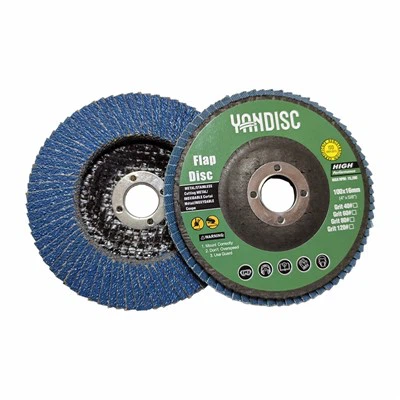
First, let’s start with the basics that most people overlook: choosing the right felt wheel for your job. Not all felt is created equal, and picking the wrong density, fiber type, or construction is the fastest way to poor performance. Felt wheels are typically made from wool, cotton, or a blend, and their density ranges from soft (used for delicate polishing) to hard (for heavy material removal). For example, a automotive detailer working on clear coat will need a soft, dense wool blend felt wheel to avoid scratching, while a metal fabricator smoothing weld seams will need a hard, thick wheel to handle more pressure. I’ve seen shops waste money on soft wheels for heavy grinding—they either wear out in minutes or don’t remove material fast enough. The key here is to match the wheel’s pile density to your desired outcome: higher density for aggressive tasks, lower for precision work. Also, pay attention to how the wheel is constructed. Solid felt wheels (compacted from a single piece of fiber) last longer and hold shape better than split laminations, which can delaminate under high speed. Laminated wheels might be cheaper upfront, but they fall apart mid-job more often, so for regular use, solid is almost always the smarter choice.
Once you have the right wheel, the next big factor is speed. This is where a lot of new operators get it wrong—running the wheel too fast or too slow. Felt wheels work on a combination of abrasion and burnishing, and speed dictates how those two balance out. For light polishing and finishing, most felt wheels perform best at 1,500 to 3,000 surface feet per minute (SFM). For reference, that translates to roughly 1,800 to 3,600 RPM for a 6-inch diameter wheel. Run it too slow, and the wheel won’t generate enough heat to work the abrasive into the workpiece, leaving a dull finish. Run it too fast, and you’ll burn the workpiece (especially on soft metals like aluminum or wood), cause excessive wheel wear, and even risk the wheel shredding. I once had a customer who was using a 4-inch wheel at 7,000 RPM for stainless steel polishing—he was burning through three wheels a day and getting uneven results. When we adjusted his speed to 2,800 SFM, he cut his wheel use by 60% and improved his finish quality. It’s worth noting that different materials need different speeds: woodworking might run at the lower end of the range to avoid fuzzing, while hard steel can handle the upper end for faster material removal.
Abrasive compound application is another make-or-break step. Felt wheels don’t have abrasive particles of their own, right? That means you need to apply a compound (whether it’s a paste, stick, or liquid) to the surface of the wheel before and during use. How you apply that compound affects everything from finish to wheel life. A common mistake is loading too much compound at once—this builds up a thick layer on the wheel that doesn’t cut effectively, glazes over, and wastes product. Instead, apply a thin, even layer to the wheel’s face before starting the job, and then reapply only when the surface starts to look dull or skip across the workpiece. For continuous jobs, like a production line, some shops use a semi-automatic compound applicator that feeds a consistent amount, which keeps performance steady and reduces waste. Also, the type of compound matters: use a cutting compound (coarser grit) for initial material removal, a polishing compound (medium grit) for refining, and a buffing compound (fine grit) for the final high-gloss finish. Mixing these can leave scratch marks that take extra time to fix. I recommend testing a small area first—apply a thin layer of compound, run the wheel over the test spot, and see how it cuts before committing to the whole part. Proper compound loading also extends wheel life: too little, and the wheel’s fibers rub on the workpiece instead of the abrasive, causing unnecessary wear. Too much, and the compound packs into the wheel’s pores, hardens, and prevents new compound from being absorbed.
Proper wheel mounting is something that’s often overlooked, but it’s critical for both performance and safety. A warped or loose wheel will vibrate, deliver uneven pressure, and wear out unevenly, which means you’ll have to replace it sooner. When mounting a felt wheel, make sure the arbor (the metal center that fits into your grinder or polisher) is the correct size for the wheel’s center bore. Most solid felt wheels have a precision center bore that fits standard arbors, but some require a bushing for smaller arbors—don’t force a wheel onto an oversized arbor, and don’t use a undersized arbor that lets the wheel spin loosely. After mounting, tighten the arbor nut firmly, but don’t over-tighten it—this can crack the felt or bend the arbor, leading to misalignment. Once mounted, check the wheel for runout by spinning it by hand (or with the grinder off) and looking for any wobble. Even a small amount of runout can cause inconsistent pressure on the workpiece, so if you see wobble, remount the wheel or check that your arbor is straight. I’ve had customers tell me their wheels were “wearing out too fast” only to discover they were running a severely warped wheel that had been dropped in the shop. That small detail makes a huge difference.
Maintenance between uses is another key to extending wheel life and keeping performance consistent. Felt wheels, especially wool ones, absorb compound, dirt, and workpiece residue over time. This builds up on the surface, glazes the wheel, and reduces its ability to work effectively. After each use, you should clean the wheel to remove excess compound and debris. The best way to do this is with a felt wheel dresser, a tool that has stiff bristles or metal tines that pull the debris out of the wheel’s fibers without damaging them. Run the dresser lightly over the wheel’s face while it’s spinning at low speed (around 500 RPM) to loosen the packed material. For heavy buildup, some shops use a soft wire brush, but you have to be careful—hard wire can snag and break felt fibers, shortening the wheel’s life. Another option is to “break in” a new wheel before first use: spin it at low speed, then gently run a compound stick over it to shape the surface and open up the fibers. This ensures the compound is evenly distributed and the wheel is ready to perform from the first job. Storing wheels properly also matters: keep them in a cool, dry place, away from direct sunlight and moisture. If felt gets wet, it can warp, mold, or lose its density, so never store wheels in a damp garage or lean them against a wet floor. I once worked with a woodworking shop that stored their felt wheels in a unheated shed in winter—within a month, half the wheels had warped so bad they were unusable. A simple plastic bin with a lid in a climate-controlled shop is all it takes to keep wheels in good shape.
Adjusting your technique to match the wheel and task is the final piece of the puzzle. Even the best wheel will underperform if you’re using the wrong pressure or movement. When using a felt wheel, apply light to moderate pressure—let the wheel’s weight and speed do most of the work. Pressing too hard forces the wheel’s fibers to compress, reducing their flexibility and making them less effective at reaching crevices or curved workpieces. For flat surfaces, use a circular or back-and-forth motion to ensure even coverage. For curved parts (like automotive trim or metal fittings), follow the contour of the workpiece with the wheel, keeping it moving constantly to avoid burning or creating uneven finish. If you’re working on small, intricate parts, a smaller diameter felt wheel (4 to 6 inches) is better than a larger one—it’s easier to maneuver and less likely to dig into delicate areas. For production work, using a jig or fixture to hold parts consistently reduces variation, which means you can use the same pressure and movement across every part, keeping wheel performance steady and reducing defects. I’ve also found that rotating the wheel periodically during its use helps it wear evenly. Some operators will mark the wheel’s face with a line before starting, and every 15 minutes, they turn the wheel a quarter turn so a new section is in contact with the workpiece. This prevents one area from wearing down faster than the rest, extending the wheel’s total usable life by up to 30%.
Now, let’s talk about common mistakes I see every day, and how to avoid them. One big one is reusing wheels for different tasks. If you used a felt wheel for heavy weld grinding, don’t try to use it for a delicate final polish—it’s packed with coarse abrasive and metal shavings that will leave deep scratches. Similarly, don’t use a wheel meant for woodworking on metal—it might not have the density to handle steel, and the wood compound residue will contaminate the metal. Another mistake is waiting too long to replace a wheel. Once the wheel’s face is worn down to the center arbor, or it’s glazed over so badly that compound won’t stick, it’s time to replace it. Continuing to use a worn wheel not only gives poor results but can also be dangerous—loose fibers can come off and wrap around the grinder’s arbor, causing injury. At our shop, we always recommend having a spare wheel on hand so you don’t have to rush mid-job with a worn one.
As a felt wheel supplier, my goal isn’t just to sell you a quality product—it’s to help you get the most out of it. These steps aren’t just theoretical; I’ve seen them work for small custom shops and large factories alike. For example, a metal fabrication shop in Chicago started following these guidelines: they swapped their laminated wheels for solid felt, adjusted their speed to 2,700 SFM, and added a daily cleaning routine. Within six months, they cut their wheel costs by 45% and improved their finish quality, reducing the number of parts that needed rework by 20%. A woodworking shop in Oregon did the same: they switched to denser wool-cotton blend wheels for their fine furniture line, adjusted their compound application, and started rotating wheels during use. They reported less scratch work, faster finishing times, and a 25% longer wheel life.
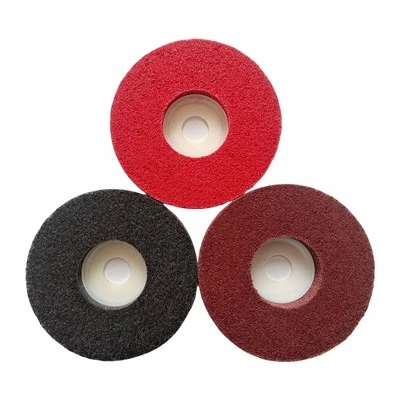
If you’re struggling with felt wheel performance—whether you’re dealing with excessive wear, uneven finishes, or constant need for replacements—we can help. We don’t just supply felt wheels; we work with you to match the right wheel to your specific project, offer guidance on speed, compound, and maintenance, and answer any questions you have about getting the most out of your tools. For custom projects, we also offer tailored felt wheels with specific densities, fiber blends, and sizes to fit your exact needs. Don’t waste money on generic advice or cheap, low-quality wheels that don’t deliver. Reach out to us to discuss your project, and we can help you optimize your felt wheel performance to save time, reduce costs, and get the results you need.
Ceramic Flap Disc References:
- Woodworking Network. (2022). "Understanding Felt Wheels for Wood Finishing." Retrieved from industry trade resources for woodworking tools and accessories.
- Metal Finishing Magazine. (2021). "Optimizing Abrasive Tools for Polishing and Buffing." Trade publication focused on metal surface treatment and finishing techniques.
- Felt Technology Association. (2020). "Properties and Performance of Felt for Industrial Applications." Technical guide from the industry association representing industrial felt manufacturers.
- Automotive Service Association. (2019). "Best Practices for Clear Coat Polishing with Felt Wheels." Resource for automotive detailers and collision repair shops on finishing tools.
- Industrial Tool Review. (2021). "Maintaining and Extending the Life of Industrial Abrasive Wheels." Article in trade magazine focused on industrial tool maintenance and performance optimization.
Henan Yandisc Hardware Tools Co., Ltd.
As one of the most professional felt wheel manufacturers and suppliers in China, our products have good reputation in the market. Please feel free to wholesale high quality felt wheel made in China here from our factory. Customized orders are welcome.
Address: Zinan Road, High-tech Industrial Development Zone, Zhengzhou, Henan, China
E-mail: info@yandisc.com
WebSite: https://www.yandisc.com/
