Hey there! I’m a supplier of JIS Corten Steel, and I’ve been getting a bunch of questions lately about how this steel performs in cold climates. So, I thought I’d sit down and share my thoughts based on my years of experience in the industry. JIS Corten Steel
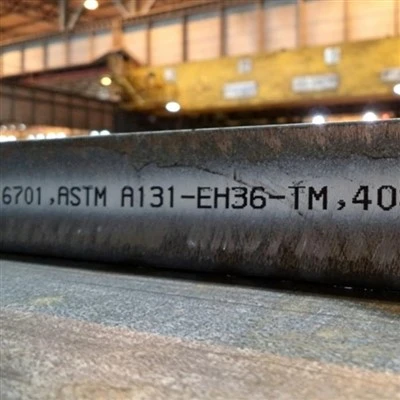
First off, let’s talk about what JIS Corten Steel is. For those of you who aren’t familiar, JIS Corten Steel is a weathering steel that conforms to Japanese Industrial Standards (JIS). It’s known for its unique ability to develop a protective rust – like patina over time, which helps prevent further corrosion. This is a huge plus in many environments, but how does it fare when the mercury drops?
Physical Properties in Cold
One of the key things to understand about JIS Corten Steel in cold climates is its physical properties. At low temperatures, most metals become more brittle. But JIS Corten Steel is designed to have a good balance of strength and toughness even in cold conditions.
The alloying elements in JIS Corten Steel, such as copper, chromium, and nickel, play a crucial role here. These elements help to improve the steel’s overall performance. For example, copper enhances the formation of the protective patina, and it also has a positive impact on the steel’s low – temperature toughness. Chromium and nickel help to increase the steel’s resistance to corrosion and can improve its mechanical properties at lower temperatures.
In fact, in laboratory tests, JIS Corten Steel has shown that it can maintain a relatively high level of ductility and impact resistance even in sub – zero temperatures. This means that it’s less likely to crack or break under stress compared to some other types of steel.
Corrosion Resistance in Cold
Now, let’s talk about corrosion. You might think that cold weather would slow down the corrosion process, but that’s not always the case. In cold climates, there are often other factors at play, like snow, ice, and de – icing salts used on roads and bridges.
The good news is that JIS Corten Steel’s corrosion – resistant properties still hold up pretty well. The protective patina that forms on the surface acts as a barrier against moisture and oxygen, which are the main culprits in the corrosion process. Even in cold, wet conditions, this patina keeps doing its job.
However, it’s important to note that the formation of the patina can be a bit slower in cold weather. The chemical reactions that lead to the development of the patina are temperature – dependent. So, in really cold climates, it might take a bit longer for the steel to fully develop its protective layer. But once it does, it’s just as effective as it would be in warmer temperatures.
Weldability in Cold
Another factor to consider is weldability. When working with JIS Corten Steel in cold climates, welders need to take some extra precautions. Cold temperatures can affect the welding process and the quality of the welds.
The steel itself has good weldability characteristics, but at low temperatures, the risk of hydrogen cracking increases. To prevent this, pre – heating the steel before welding is highly recommended. This helps to reduce the cooling rate of the weld and minimizes the risk of cracking. It’s also important to use the right type of welding consumables that are suitable for JIS Corten Steel and cold – weather welding.
Structural Performance in Cold
In terms of its structural performance, JIS Corten Steel can be a great choice for cold – climate applications. It has sufficient strength to support heavy loads, whether it’s used in building structures, bridges, or industrial equipment.
In building construction, JIS Corten Steel can be used for frames, columns, and beams. Its ability to maintain its mechanical properties in cold weather means that the building structure remains stable and safe. For bridges, the steel’s corrosion resistance is a huge advantage, especially considering the exposure to snow, ice, and de – icing agents.
Real – World Examples
I’ve seen firsthand how well JIS Corten Steel performs in cold climates. For instance, there was a project up in northern Hokkaido, where they used our JIS Corten Steel for a coastal bridge. The area experiences extremely cold winters, with lots of snow and high humidity.
After several years, when we went for an inspection, the bridge was in great condition. The protective patina had formed, and there was very little sign of corrosion. The structure was still strong and stable, even after being exposed to harsh cold – weather conditions for so long.
Pros and Cons in Cold Climates
Let’s summarize the pros and cons of using JIS Corten Steel in cold climates.
Pros:
- Good low – temperature toughness: It resists cracking and breaking under stress in cold conditions.
- Corrosion resistance: The protective patina helps prevent rust, even in the presence of snow, ice, and de – icing salts.
- Sufficient structural strength: It can support heavy loads in building and infrastructure projects.
Cons:
- Slower patina formation: The chemical reactions that form the protective layer are slower in cold weather.
- Extra welding precautions: Pre – heating and using the right consumables are necessary to ensure good weld quality in cold temperatures.
Why Choose Our JIS Corten Steel
As a supplier, I can tell you that our JIS Corten Steel is top – notch. We source the raw materials from reliable suppliers and have strict quality control measures in place. Our steel is tested to ensure it meets all the necessary JIS standards, especially when it comes to performance in cold climates.
We also offer technical support to our customers. Whether you’re a contractor, engineer, or architect, we can provide you with all the information you need about how to work with JIS Corten Steel in cold weather. From welding tips to maintenance advice, we’ve got you covered.

If you’re working on a project in a cold climate and need a high – quality steel solution, consider JIS Corten Steel. It’s a reliable choice that has proven its worth time and time again.
Reach Out for a Purchase
JIS Corten Steel If you’re interested in purchasing JIS Corten Steel for your next project, don’t hesitate to get in touch. We’re here to answer all your questions, provide you with samples if needed, and offer competitive pricing. Let’s start a conversation about how we can meet your steel needs in the coldest of climates.
References
- ASTM International. (20XX). Standards related to weathering steel performance in cold environments.
- Japanese Society for Steel Construction. (20XX). Guidelines on the use of JIS Corten Steel in cold climates.
Gnee Steel (Tianjin) Co., Ltd.
As one of the most professional jis corten steel manufacturers and suppliers in China, we also support customized service with low price. We warmly welcome you to buy high quality jis corten steel in stock here from our factory. If you have any enquiry about free sample, please feel free to email us.
Address: No.4-1114, Beichen Building, Beicang Town, Beichen District, Tianjin, China
E-mail: alloy@gneesteelgroup.com
WebSite: https://www.chinavesselplates.com/
