If you’ve ever shopped for interior door skins, you’ve probably run into HDF—Medium Density Fiberboard, for the uninitiated—more times than you can count. As a supplier who’s been working with HDF door skins for over a decade, one question comes up at every trade show, every sample drop, every casual chat with a contractor: “Is HDF door skin water resistant?” It’s such a common question, I almost expect it to be the first line of every client email these days. The short answer is, it’s complicated. Let me break this down the way I do for every customer who picks up a sample, runs it under a tap, and stares at me like I’m lying if it doesn’t instantly repel all water. HDF Door Skin
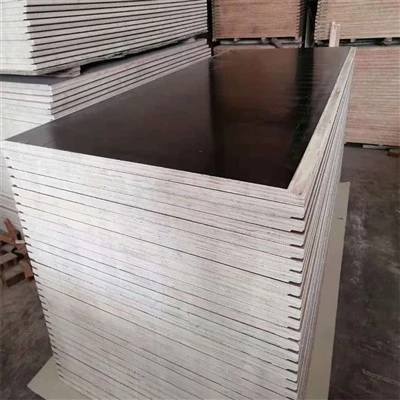
First, let’s get one thing straight: HDF is not natural wood. It’s made by breaking wood fibers down into tiny particles, mixing them with wax and resin binders, compressing the mixture under extreme heat and pressure to create a denser, more uniform panel than standard MDF. That density is part of what makes HDF door skins such a popular choice. They hold shape way better than solid wood; you don’t get those annoying warps or cups after a few months of seasonal humidity. They also take paint or veneer like a dream—no more sanding out knots or worrying about grain mismatches. But that same structure that gives them their strength is also their biggest vulnerability when it comes to water.
Here’s the science, plain and simple. Wood fibers are hygroscopic, meaning they absorb moisture from the air and liquid water like a sponge. In HDF, those tiny fibers are packed super tight, but they’re not sealed. The wax and resin are there to help repel water a little, but they’re designed to bind the fibers together, not act as a full-time waterproof barrier. If water seeps into the HDF panel—say, if you spill a bucket of water on a door skin and leave it sitting there, or if it gets soaked during a delivery in the rain—the fibers will swell. When HDF swells, it doesn’t just get a little bigger. Because it’s so densely compressed, the swelling causes the panel to crack, warp, or delaminate. I’ve seen this firsthand: a contractor ordered 20 HDF door skins for a new apartment complex, stored them outside on a pallet for three days during a rainstorm, and half of them were unusable by the time they brought them inside. The surface bubbled, the edges puffed up, and we had to replace them at no extra cost. That’s the kind of story that sticks with you as a supplier.
Now, let’s separate water resistant from waterproof, because that’s where a lot of confusion happens. True waterproof material—like stainless steel, solid vinyl, or fiberglass—won’t absorb water at all. Water resistant means it can handle small amounts of moisture for a short period without permanent damage. That’s where most HDF door skins land, but not all HDF is created equal. A lot of budget HDF door skins you’ll find online skip the extra protective layers to cut costs. They might have a thin coat of primer, but no sealant, no edge banding, nothing to block water from seeping in through the sides or the cut edges. A reputable HDF door skin supplier, though, will invest in that extra layer. We use water-based acrylic sealant on all our door skins, plus edge banding on every single panel that leaves our warehouse. That adds an extra layer of protection, so if you spill a glass of water on a door skin and wipe it up right away, you won’t have a problem. If it sits there for an hour? You might see a faint mark, but nothing permanent. If it gets submerged in water overnight? It’s going to swell, same as any unprotected wood-based product.
I get why people expect more from HDF door skins. For years, vinyl doors have been marketed as totally waterproof, so consumers carry that expectation over to HDF. But HDF was never designed for exterior use, or for high-moisture areas like bathrooms, laundry rooms, or entryways that get a lot of foot traffic in rain and snow. That’s a key point I always make to clients: where you’re installing the door skin matters just as much as the product itself. If you’re using it for an interior bedroom door, or a closet door, that’s a totally different scenario than a front door exposed to the elements year-round. We’ll actually send a note with every sample we ship, telling customers exactly where HDF door skins are best suited, and where they should look for a more water-resistant option.
Another common myth I hear is that painting HDF door skins will make them waterproof. Painting adds a barrier, but it’s not foolproof. If you don’t prep the surface properly, paint can chip or crack, and water will seep through those gaps. Even a perfect paint job can wear down over time, especially if the door is near a sink or a shower. We recommend using a high-quality oil-based paint or a 100% acrylic latex paint, and applying a primer first—two coats, to be safe. That extra layer helps seal the pores in the HDF, and it extends how long the door skin stays water resistant. I’ve had clients call me two years after installation, saying their door skin is still in perfect shape, even though their kid spilled soda on it a dozen times. That’s because they followed the prep steps and didn’t try to cut corners on paint quality.
Let’s talk about what happens when HDF door skins do get exposed to water, just to set realistic expectations. If it’s a small spill, wiped up immediately, no damage. If it’s a larger amount—like a leaky pipe in the wall behind the door, for example—the HDF will swell within 24 to 48 hours. You might see the surface buckle, the edges lift away from the frame, or the door stop closing properly. Once that happens, the damage is permanent. You can try to sand it down and repaint it, but the structural integrity of the HDF is compromised. That’s why we always advise customers to address any moisture issues in their space first, before installing HDF door skins. If you have a bathroom with a history of high humidity, an HDF door skin might not be the best fit, and we’ll suggest a laminated wood or vinyl option that holds up better to that level of moisture.
As a supplier, I’ve also tested different grades of HDF over the years to understand the limits. We run our own in-house tests: we submerge samples of our door skins in water for 24 hours, weigh them before and after to measure water absorption, and check for swelling. Our standard HDF door skins absorb less than 3% water in that time, which is well below the industry average for mid-grade HDF. Budget HDF can absorb up to 10% or more, so it swells twice as much. That’s the difference between a door that’s still usable after a minor flood and one that’s ruined before it even gets installed. We don’t cut corners on that wax and resin mix, and we don’t skip the sealant or edge banding, because we know our reputation depends on the door skins holding up for our customers.
I also want to address the edge case: what if someone uses HDF door skins in a semi-exterior space, like a covered porch? That’s a question we get a lot. If the porch is fully covered, no direct rain, minimal wind, then our HDF door skins can handle that. But we still recommend adding an extra top coat of marine-grade polyurethane, and inspecting the door regularly for any chips or cracks in the paint that could let water in. We don’t recommend using them in fully exterior spaces, though—like a front door that’s not covered by an awning—because rain and snow will eventually get through, no matter how good the sealant is.
Another thing to consider is the finish of the door skin. If you get a raw HDF door skin (not pre-primed or pre-painted), that’s going to be way more vulnerable to water than a pre-finished one. Raw HDF has no barrier at all, so even a small drop of water can leave a mark, and standing water will damage the surface in minutes. That’s why we almost never sell raw HDF door skins to residential customers, unless they’re specifically planning to finish them themselves with a custom paint or veneer. Even then, we send them detailed instructions on how to seal the edges and apply the finish properly to get the most water resistance.
I know this can feel confusing. You want a door skin that’s durable, affordable, and works for your space, but you don’t want to waste money on something that will get ruined by a little water. The key is to have realistic expectations, and work with a supplier who’s honest about what HDF can and can’t do. We’ve had clients come to us after ordering cheap HDF door skins from a big-box store, only to have them warp within a month. They switch to ours, and they love them because we’re upfront about their limits. We don’t promise HDF is waterproof—we tell them exactly how water resistant it is, when it works best, and what they can do to protect it.
At the end of the day, HDF door skins are an excellent choice for the right application. They’re lightweight, easy to install, versatile in design, and much more affordable than solid wood or fiberglass doors. Their water resistance is good for small, accidental spills and normal indoor humidity, as long as they’re properly sealed and installed in a low-moisture space. They’re not the best choice for high-moisture areas or fully exterior use, but that doesn’t make them a bad product—it just means they’re designed for interior spaces, where they shine.
If you’re shopping for HDF door skins and want to learn more about how to pick the right ones for your project, or how to maximize their water resistance, feel free to reach out to our team. We can send samples, walk you through our product specs, and help you figure out if HDF door skins are the right fit for your space, or if you need a more moisture-resistant option. We’ve worked with contractors, interior designers, and homeowners for years, and we’re here to answer all your questions, no sales pressure, no confusing jargon. Just honest advice from a supplier who knows this product inside and out.
Particle Board References
- Forest Products Laboratory. (2010). Wood Handbook: Wood as an Engineering Material. U.S. Department of Agriculture, Forest Service.
- American Wood Council. (2018). Moisture Management in Wood-Based Building Products. AWC Technical Report.
- National Wood Flooring Association. (2021). Guide to Wood Panel Performance in High-Humidity Environments. NWFA Standards and Testing Committee.
- European Panel Federation. (2019). Medium Density Fiberboard (MDF) and High Density Fiberboard (HDF) Product Specifications. EPF Technical Bulletin.
- Door and Access Systems Manufacturers Association. (2020). Residential Door Skin Performance Standards. DASMA Standard 102-20.
Lisen Wood Industrial Shouguang Co., Ltd.
Lisen Wood Industrial Shouguang Co., Ltd. is one of the most professional HDF door skin manufacturers and suppliers in China, featured by quality products and low price. Please rest assured to buy discount HDF door skin from our factory. Welcome to contact us for quotation and free sample.
Address: Nongsheng road, shouguang,shandong province, china
E-mail: lucia@lisenboard.com
WebSite: https://www.sglswood.com/
