If you’ve ever worked with plumbing systems, especially those using polyethylene (PE) pipes, you know how disruptive a burst fitting can be. As a PE pipe fittings supplier with over 12 years in the industry, I’ve seen firsthand how a single preventable burst can turn a construction project into a mess, delay timelines, and rack up unnecessary costs. Bursts in PE fittings don’t happen randomly—they’re almost always tied to avoidable mistakes in installation, material selection, or long-term maintenance. Today, I’m breaking down the scientific, practical steps to keep your PE fittings intact, backed by what we’ve learned working with plumbers, contractors, and municipal teams across North America. PE Pipe Fittings
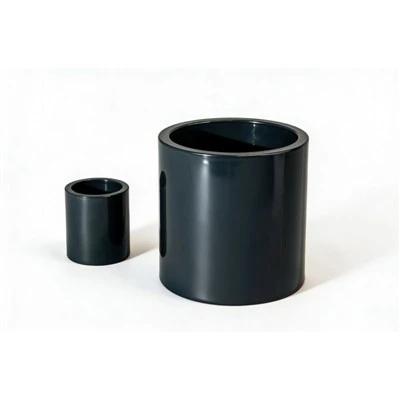
First, let’s start with the basics: why do PE fittings burst in the first place? PE is a durable material, but it’s not indestructible. Most bursts fall into three categories: installation errors, pressure-related issues, and material mismatch. Let’s unpack each, because skipping even one step can lead to catastrophic failure.
The biggest installation mistake we see is improper fusion—specifically, bad butt fusion or electrofusion, the two most common methods for joining PE fittings. I can’t stress this enough: fusion is not just “melting two pieces together.” It’s a precision process that relies on exact temperature, pressure, and timing. For example, when we supply fittings for a commercial water line project, we always include a step-by-step fusion guide, but too many installers cut corners here. If you don’t clean the pipe ends before fusion, dirt or oil creates a weak bond that can split under pressure. Or if you heat the pipe too long, the material overflows, creating a thin, brittle seam instead of a solid one. We once got a frantic call from a contractor in Ohio who had 15 burst fittings on a new subdivision line; inspection showed the crew had skipped cleaning the pipe ends, leaving a thin layer of concrete dust that broke the fusion bond.
Another installation misstep is improper supporting and clamping. PE has a higher coefficient of thermal expansion than metal pipes—about 10 times that of copper, in fact. That means when temperatures swing, the pipe stretches or shrinks, putting stress on the fittings if they’re not secured correctly. For example, in a region with harsh winters, uninsulated pipes can contract when it’s cold, and if they’re not clamped at regular intervals (every 3-5 feet for small-diameter pipes, every 6-8 feet for larger ones), the fittings can pull loose or crack. We recently supplied fittings for a rural irrigation project in Minnesota, and the installer forgot to add expansion loops. By mid-winter, the temperature dropped 40 degrees Fahrenheit overnight, the pipe contracted, and three elbows burst. It cost the contractor $12,000 in repairs and a 2-week delay—all because they ignored the thermal expansion rule.
Next, pressure-related issues are a top cause of burst fittings. PE fittings are rated for a specific working pressure, usually based on their diameter and wall thickness. For example, a Schedule 80 PE fitting has a higher pressure rating than Schedule 40, so using Schedule 40 in a high-pressure water main is a recipe for disaster. But it’s not just static pressure—surge pressure is a silent killer. When a water valve closes suddenly, it creates a shock wave that can be 2-3 times higher than the normal working pressure. If your fittings aren’t rated to handle surge, they’ll burst. We once supplied fittings for a municipal water line in Texas; the city used standard fittings that didn’t account for surge from fire hydrant flushing. Within six months, 8 fittings had burst, all at points near the hydrants where surge was highest.
Then there’s material mismatch. Some installers use PE fittings with non-PE pipes or with incompatible PE grades. For example, cross-linking PE (PEX) is often used for indoor plumbing, but joining PEX fittings with standard PE (PE4710) requires specialized adapters, not just a regular coupling. If you use a standard coupling, the different material expansion rates will create stress on the joint, leading to leaks or bursts. I’ve also seen installers use fittings rated for cold water on hot water lines—PE’s heat resistance drops significantly above 140°F, so a fitting rated for 100°F will soften and burst if exposed to 160°F.
Now, let’s talk about long-term maintenance, because even if you install correctly, a neglected system will burst eventually. UV damage is a huge one—PE is resistant to UV, but only when it’s formulated with UV inhibitors. If your fittings are exposed to direct sunlight for more than a few months, those inhibitors break down, and the material becomes brittle. We supply UV-stabilized fittings for underground or indoor use, but if an installer leaves them outside without covering them for weeks, they can crack before the system is even pressurized. Another maintenance issue is chemical damage. PE is resistant to many chemicals, but strong acids, bases, or solvents can degrade it over time. For example, if a PE pipe runs near a septic system that leaks ammonia, or near a chemical storage area, the fittings can become brittle and burst. We recently had a customer who stored lawn care chemicals near their PE irrigation line; the chemicals seeped into the soil, and six months later, the fittings cracked.
So, what’s the solution? Let’s turn this into a step-by-step, actionable plan that we’ve tested with thousands of installations.
First, choose the right fitting for the job. When you’re sourcing PE fittings, don’t just pick the cheapest option. Ask for the material grade, pressure rating, and UV stabilization. For example, if you’re working on a potable water line, make sure the fittings are NSF-certified (that means they meet safety standards for drinking water). If you’re installing outdoors, specify UV-stabilized PE (PE100-UV) instead of standard PE100. For high-pressure applications (like water mains or fire lines), go with a higher pressure rating—schedule 80 instead of 40, or PE100 which has a higher pressure resistance than PE80. We can help you match the right fitting to your project; just tell me the application, location, and pipe size, and I’ll recommend the best option.
Second, follow proper fusion and installation protocols. If you’re using butt fusion or electrofusion, hire a certified installer—someone who’s been trained by a PE industry association, like the Plastics Pipe Institute (PPI). For fusion, make sure to: clean pipe ends with a non-abrasive cloth (no sandpaper, which leaves scratches) to remove dirt, oil, or oxidation; heat the pipe to the exact temperature specified by the fitting manufacturer (usually 325-350°F for PE); apply consistent pressure during fusion; and let the joint cool completely before moving or pressurizing the pipe—rushing this step creates weak bonds. For supporting, install expansion loops every 20-30 feet in long runs, and clamp pipes at regular intervals to account for thermal expansion. In cold climates, insulate exposed pipes to prevent extreme contraction, and in hot climates, use shade cloth to protect outdoor fittings from direct sunlight.
Third, manage pressure and prevent surges. To avoid burst fittings from surge pressure, install surge arrestors in areas where valves or pumps are present. For water mains, coordinate with your local utility to test surge pressure during initial flushing—this helps you adjust the system to avoid stress points. Also, don’t overpressure the system. Some installers test lines at 2x the working pressure, which is standard, but if you go higher than that (like 3x), you risk damaging the fittings. We always recommend following PPI guidelines for pressure testing, which specify a test pressure of 1.5x the working pressure, held for 2 hours, with no leaks or permanent deformation.
Fourth, schedule regular inspections. Even a well-installed system needs check-ups. For residential and commercial lines, inspect fittings every 2-3 years for signs of cracking, brittleness, or leaks. For municipal or industrial lines, inspect annually, especially in extreme climates. Look for discoloration (a sign of UV damage), soft spots (a sign of chemical exposure), or bulges (a sign of overpressure). If you spot any issues, replace the fittings immediately—don’t wait for a burst. We keep a full stock of replacement fittings, so you can get them quickly to minimize downtime.
I know that working with PE fittings can feel complicated, especially if you’re new to the material. But the good news is that 90% of PE burst fittings are preventable with the right materials, installation, and maintenance. We’ve spent years refining our products and sharing these best practices because we want our customers to succeed—no one wants to deal with a burst line at 2 a.m. when they’re on a tight deadline.
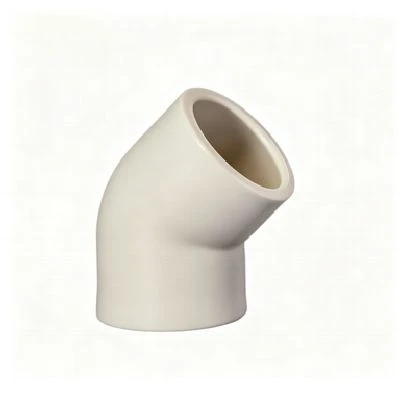
If you’re working on a project and need help selecting the right PE fittings, or if you have questions about installation or maintenance, I’d be happy to walk you through it. Whether you’re a small contractor on a residential plumbing job or a large municipality on a water main project, we can provide tailored fittings and guidance to keep your system running smoothly. Don’t wait for a burst to fix your issues—reach out to start a conversation about your project needs today.
Industrial Plastic Pipes References
- Plastics Pipe Institute. (2021). PE Pipe and Fitting Installation Guidelines.
- American Water Works Association. (2020). PE Pressure Pipe Design and Installation Manual.
- National Sanitation Foundation. (2019). Standard 61: Drinking Water System Components – Health Effects.
- International Plumbing Code. (2022). Chapter 6: Materials and Equipment for Plumbing Systems.
Anhui Weidong Pipeline Technology Co., Ltd.
As one of the most professional pe pipe fittings manufacturers and suppliers in China, we have world-leading production equipment and strong manufacturing capabilities. Please feel free to buy high quality pe pipe fittings at competitive price from our factory. Welcome to contact us for quotation.
Address: No.35 Hongyuan Avenue, Economic Development Zone, Huoshan County, Lu’an City, Anhui Province
E-mail: 18056040225@163.com
WebSite: https://www.wdpipe.com/
