As a seed packaging bags supplier who’s spent the last 12 years working with wholesale buyers—from small family-owned farm co-ops to large national seed distributors—I get asked this question at least once a week: “Are seed packaging bags actually worth investing in for my bulk operations?” It’s a fair question, too. Wholesale buyers have very specific priorities: they need solutions that cut costs, protect inventory, meet regulations, and keep customers happy. Too often, I see bulk buyers writing off seed packaging bags as a “commodity purchase” that’s easy to overlook, only to run into issues later that cost them far more than the initial savings from choosing a cheaper, inferior option. Seed Packaging Bags

Let’s start with what wholesale buyers actually deal with every day. When you’re ordering seeds by the pallet, storage space is a premium. Those flimsy, generic poly bags that some suppliers push? They tear on pallet edges, let moisture seep in during transport, and crumple so badly on store shelves that customers pass them over. I once worked with a Midwest seed distributor who tried switching to low-cost uncoated poly bags for their 50,000-unit spring order of vegetable seeds. Within two weeks, 12 pallets were compromised: moisture had caused 15% of the seeds to germinate at less than 50%, and a shipping delay meant the bags had rubbed against each other, leaving broken seed packets that had to be discarded. The total loss? Over $8,000, plus the cost of reprinting and restocking. That’s the kind of mistake that makes a lot of wholesale buyers cynical about specialized packaging, but here’s the thing: those issues aren’t because seed packaging bags are a bad investment—they’re because you’re not getting the right ones tailored to your bulk needs.
First, let’s talk about protection, because that’s non-negotiable for seeds. Seeds are living organisms, even when stored. They need consistent temperature and low humidity to stay viable—if moisture seeps in, mold grows, germination rates drop, and your product becomes unsellable. Top-tier seed packaging bags are designed with barrier technologies that are tested specifically for seed storage. For example, our multi-layer bags include a food-grade polyethylene inner layer that blocks moisture and oxygen, paired with a tough outer layer that resists tearing, punctures, and UV rays. UV protection is a big one, especially for buyers who store seeds in outdoor warehouses or ship them to regions with intense sunlight. I’ve had a customer in Arizona tell me that before they switched to our UV-stabilized bags, their seed stock lost 10-15% viability in just three months of outdoor storage. Now, that same seed stock stays viable for 18+ months, even when stored uncovered. That’s not a small difference—for a wholesale buyer, a longer shelf life means you can order in larger bulk without worrying about spoilage, which cuts down on shipping costs and per-unit overhead.
Another key factor for wholesale buyers is compliance. Different regions have specific labeling and material rules for seed packaging. In the U.S., for example, the Federal Seed Act requires that every seed package include certain information: variety type, germination rate, origin, and weight. Many generic packaging bags don’t have enough printable space, or their material isn’t compatible with the high-quality, smudge-resistant printing that meets regulatory standards. As a supplier, we work directly with wholesale buyers to customize bags to meet both local and international regulations. Last year, we helped a Canadian farm co-op adjust their seed packaging bags to comply with Canada’s Seeds Act, which requires additional origin tracking for organic seeds. We added a tamper-evident seal to the bags, which also helped the co-op reduce theft—another hidden cost for bulk operations. Tamper-evident features aren’t just for big box stores; for small farm co-ops, they protect the integrity of their products and build trust with their customers, which translates to repeat business.
Now, let’s address cost, because that’s the elephant in the room for every wholesale buyer. It’s easy to compare per-unit costs and go for the cheapest option, but you have to calculate the total cost of ownership, not just the upfront price. When you choose a high-quality seed packaging bag, you eliminate hidden expenses: replacement costs for spoiled seeds, labor hours spent repackaging torn bags, returns from customers who received damaged products, and compliance fines for mislabeled or non-compliant packaging. Let’s do a quick example: a generic seed bag might cost $0.02 per unit, while a specialized seed packaging bag costs $0.05 per unit. If you’re buying 100,000 units, the difference is $3,000. But if the generic bags result in 10% spoilage, that’s $X amount of lost seed, plus labor to repackage. In the case of the Midwest distributor I mentioned earlier, the $0.02 bag ended up costing $0.16 per unit in losses—that’s eight times the initial savings. For wholesale buyers, volume is your strength, but only if that volume is protected. Bulk orders of specialized seed packaging bags often qualify for discounts, so the per-unit cost shrinks even more, making the investment far more accessible than you might think.
I also hear a lot of wholesale buyers say, “We can just use standard poly bags for our seed needs.” But standard poly bags aren’t designed for the specific properties of seeds. Seeds have sharp edges, especially larger seeds like corn or sunflowers, which can puncture thin standard bags. Our seed packaging bags are tested to resist punctures up to 50 pounds per square inch, which means even when you’re stacking pallets 10 high, the bags won’t tear. Another point: seed packaging bags can be customized to fit your exact needs, from small 1-oz packets for home gardeners to 50-pound bulk bags for farm use. Many suppliers will even work with you to add features like resealable zippers, which are a game-changer for customers who don’t use all their seeds at once. A customer in Oregon told us that after adding resealable zippers to their seed packaging bags, their repeat purchase rate went up by 22%—customers loved being able to save leftover seeds without them getting stale or pest-ridden. That’s marketing value you can’t get from a generic bag.
Now, let’s talk about sustainability, because wholesale buyers are facing more pressure than ever to make eco-friendly choices. A lot of seed packaging bags used to be single-use plastic, which is a turnoff for customers who prioritize sustainable products. But today, there are options for compostable seed packaging bags that meet all the same protection standards as plastic. Our compostable seed bags are made from plant-based materials, break down in industrial compost within 180 days, and are just as resistant to moisture and tears as traditional plastic. We work with several wholesale buyers who have switched to compostable bags and seen a 15% increase in sales, thanks to the “eco-friendly” label. If your customers are home gardeners or organic farms, sustainability isn’t just a nice-to-have—it’s a requirement, and specialized seed packaging bags let you meet that demand without sacrificing quality.
So, are seed packaging bags suitable for wholesale buyers? The short answer is: yes, when you choose the right ones. The key is to work with a supplier who understands your bulk needs, not just sells you a one-size-fits-all bag. As someone who’s been in this industry for years, I’ve seen too many wholesale buyers make the mistake of choosing cheap, generic packaging and end up paying for it in lost revenue, labor, and customer trust. When you invest in specialized seed packaging bags, you’re not just buying a bag—you’re protecting your product, meeting regulations, reducing hidden costs, and even boosting sales with features like tamper-evident seals and resealable closures.
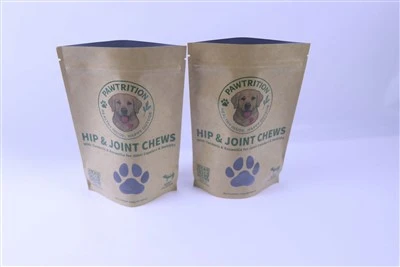
If you’re a wholesale buyer who’s been skeptical, or you’re looking to upgrade your seed packaging bags to cut costs and improve your product’s performance, I’m here to help. Every business’s needs are different, whether you’re a small family co-op or a large national distributor, and I can work with you to customize a packaging solution that fits your exact volume, budget, and requirements. Don’t let outdated assumptions about packaging hold your business back from growing. Reach out to start a conversation about your seed packaging needs—we’ll help you find a solution that works for your bottom line and your customers.
Fresh Fruit Packaging Bags References
- International Seed Testing Association. (2022). Seed Viability and Packaging Guidelines.
- U.S. Department of Agriculture. (2021). Federal Seed Act Compliance Requirements for Packaging.
- Sustainable Packaging Coalition. (2023). Compostable Packaging Performance Standards for Agricultural Products.
- National Agricultural Statistics Service. (2022). Wholesale Seed Distribution Cost Analysis.
Shenzhen Xinhuaye Packaging Products Co., Ltd.
Shenzhen Xinhuaye Packaging Products Co., Ltd. is one of the most reliable seed packaging bags manufacturers and suppliers in China, featured by quality products and good price. If you’re going to wholesale bulk durable seed packaging bags, welcome to get quotation from our factory. Customized orders are welcome.
Address: No. 168, Changshan Industrial Zone, Liulian Community, Pingdi Street, Longgang District, Shenzhen, China
E-mail: cici@xinhuayepacking.com
WebSite: https://www.xinhuayepacking.com/
