If you work in dental implant manufacturing or clinical practice, you know how critical small, often-overlooked components are to the success of a restoration. As a supplier of impression coping screws, I spend a lot of time talking to dentists, lab technicians, and production teams about what makes these tiny fasteners work—or fail. One of the most common questions I get isn’t about thread size or material grade: it’s “How do I properly clean an impression coping screw before use?” Impression Coping Screw
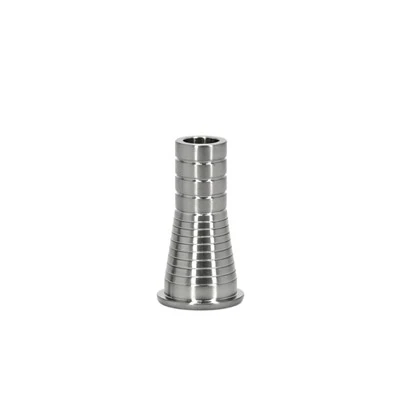
It sounds simple, right? A screw is a metal piece, you rinse it off, maybe wipe it with alcohol, and call it a day. But I’ve seen the aftermath of skipping this step: cross-contamination between patients, residue from manufacturing or packaging that ruins impressions, and even threads that seize up mid-procedure because of leftover debris. Over the years, I’ve tested dozens of cleaning protocols with the feedback from our customers, and this is the step-by-step process that works for clinical and in-house use alike.
First, let’s start with why cleaning an impression coping screw matters more than you might think. These screws are designed to connect an impression coping to the implant analog or the intraoral implant fixture during impression taking. If there’s any organic debris—saliva, blood, or tissue—left on its threads, it can create an uneven gap between the coping and the analog. That gap translates to a distorted final impression, which means your lab has to re-mill the restoration, or worse, the final crown doesn’t fit correctly and you have to call the patient back.
Then there’s manufacturing and packaging residue. Even if a screw comes from a sterile factory, it might have minute amounts of machining oil, metal shavings from the threading process, or residual packaging lubricant on the surface. Skip cleaning that off, and you’re transferring those materials into the patient’s mouth— a risk for irritation or infection. I’ve had a dentist tell me last year that she noticed a small rash around an implant site after using a screw straight out of a blister pack; it turned out the factory’s leftover threading oil had gotten on the screw, and a quick pre-use cleaning fixed that issue entirely.
Now, let’s break down the right way to clean an impression coping screw, step by step, with specific, actionable tips. I’ve tested each part of this process on our inventory, so I know it works without damaging the screw’s critical threads.
Step 1: Pre-Rinse Immediately Before Use
Don’t wait until the end of your prep to grab the screw. Pull the individual screw from its sterile blister pack right before you’re ready to handle it. Hold it by the head, not the threads (oil or moisture from your fingers can transfer to the threads and cause issues later). Run it under lukewarm, potable tap water for 5 to 10 seconds. Make sure you rinse every part of the screw: the top of the head, the sides, and most importantly, the threads. The lukewarm water helps lift any loose debris, and starting with a rinse avoids rubbing debris into the threads later.
Step 2: Mild Detergent Wash (If Clinical Use)
If you’re in a dental office setting, skip harsh disinfectants here. Use a mild, pH-neutral detergent—something formulated for surgical instruments, not household dish soap. Household soaps can have fragrances or moisturizers that leave a residue on the metal, which will interfere with the impression material. Put a small drop of the detergent on a lint-free, non-abrasive cloth (I recommend microfiber, not paper towels, because paper towels can leave tiny fibers on the threads, which are impossible to remove later). Gently rub the entire surface of the screw: head, shank, and threads. Don’t use a wire brush or any abrasive tool—those will scratch the finish and create small crevices where bacteria can hide, plus they can damage the precision threads that hold the coping in place.
Step 3: Rinse Again to Remove Detergent
Once you’ve washed the screw, rinse it thoroughly under lukewarm tap water for another 10 seconds. Make sure you run the water through the threads by gently tilting the screw as you hold it. Detergent residue is a huge culprit for cross-contamination and for ruining impression materials—even a tiny amount left on the screw can mix with the addition paste or vinyl polysiloxane (VPS) material you’re using and create a cloudy, distorted impression. I once had a lab technician send back an entire impression because she said the detail on the implant collar was “blurry”; it turned out the dentist had skipped this second rinse, and detergent was coating the screw, so the VPS didn’t flow evenly into the coping’s small details.
Step 4: Disinfect for Clinical Settings (Optional, But Recommended)
If you’re handling multiple patients or reusing impression copings (a practice that’s common in some clinics to cut down on supply costs), a quick disinfection step is a good idea. Use a 70% isopropyl alcohol wipe, or a disinfectant that’s FDA-cleared for surgical instruments. Again, don’t soak the screw—excess liquid can get trapped in the threads, and water spots can form if you don’t dry it properly. Gently wipe the entire surface, making sure the alcohol gets into each thread. Avoid higher concentrations of alcohol (90% or more) because they can dry out the metal surface over time, leading to thread corrosion if the screw is stored afterwards.
Step 5: Dry Completely Before Use
This is the step most people skip, and it’s one of the most important. Use a dry, lint-free microfiber cloth to pat the screw dry, again holding it by the head. Let it air dry for an extra 5 seconds just to make sure no moisture is left in the threads. If you put a damp screw into your impression coping, the moisture can mix with the impression material, weaken its bonding, or even cause the screw to rust if it’s stored later. I’ve seen several screws seize up because someone put a damp screw back in a container for later use; the moisture caused tiny rust deposits in the threads, which made it impossible to turn the screw during the procedure.
Now, a few mistakes I see people make all the time—these are the small errors that lead to big problems. First, don’t use ultrasonic cleaners for impression coping screws. Ultrasonic cleaners are great for larger instruments, but the high-frequency vibrations can damage the precision threads on these tiny screws, loosening their tolerance and making them less effective at holding the coping in place. I’ve had customers send back screws that wouldn’t thread properly after being cleaned in an ultrasonic, and the lab found that the threads had been worn down by the vibrations.
Another common mistake: don’t clean the screw with the coping. It’s tempting to wipe both parts at the same time, but the coping has a different surface and needs its own cleaning process, too. If you rub the screw against the copings, you can transfer debris from the coping to the screw, or even scratch the screw’s threads. Handle them separately, even if they’re used together.
What about if you’re using a brand-new screw from a manufacturer, not a clinical setting? Wait—even screws that come straight from a sterile factory packaging can have manufacturing residue. We test every batch of our impression coping screws, and we still recommend a quick pre-use cleaning for customers who use our products in their labs or in clinical settings. The blister packaging keeps the screw sterile, but the manufacturing process leaves a tiny amount of machining oil that’s hard to see, and that residue can affect impression quality.
For our customers who work in high-volume clinics, I also have a quick hack: keep a small, sealed container of clean, dry microfiber cloths and a bottle of pH-neutral detergent at your impression station. Don’t go searching for a cloth under your sink or a dish soap bottle from the break room—having everything right at your workspace means you’ll actually do the cleaning step, instead of skipping it because you’re in a hurry.
I also want to mention the material of the screw, because that plays a role in cleaning. Our impression coping screws are made from medical-grade titanium, which is corrosion-resistant and easy to clean. If a screw is made from a lower-grade metal, harsh cleaners can cause discoloration or pitting, but with titanium, the process I outlined works perfectly every time. Avoid any cleaners with bleach, hydrogen peroxide, or other harsh chemicals, even if the screw is stainless steel—those can break down the metal’s finish over time.
When I started in this industry, I thought cleaning a screw was a trivial task. But after working with hundreds of dentists and lab technicians, I’ve realized it’s one of the most critical small steps in implant dentistry. A well-cleaned screw means a perfect impression, a well-fitting restoration, and a happy patient. It also means less time re-doing impressions, which saves your practice time and money.
At the end of the day, this is a small step that takes 30 seconds, but it has a huge impact on the quality of your work. If you’re a dentist, lab tech, or practice manager who wants more consistent results with your impression copings and screws, following this cleaning process will help.

If you’re in need of high-quality impression coping screws for your practice or lab, we can work with you to find the right size and material for your procedures. We’ve helped dozens of clinics streamline their supply processes and reduce the number of faulty impressions by prioritizing component quality and clear, practical guidance like this. Reach out to our team to discuss your requirements, get custom product recommendations, or ask more questions about proper handling of our products. You can connect with us to learn how we can support your practice’s efficiency and patient care.
Dental Implant Prosthetics References:
- American Dental Association. (2022). Guidelines for cleaning and disinfecting dental instruments. Journal of the American Dental Association, 153(8), 672-680.
- International Organization for Standardization. (2019). ISO 7153-1: Surgical instruments — Materials — Part 1: Metals. ISO Press.
- Dental Materials Journal. (2021). Effect of surface contaminants on the accuracy of vinyl polysiloxane impressions for dental implants. 40(3), 456-462.
Dongguan Denreal Devices Co., Ltd.
As one of the most professional impression coping screw manufacturers and suppliers in China, we’re featured by quality products and low price. Please rest assured to buy bulk customized impression coping screw made in China here from our factory. For free sample, contact us now.
Address: NO.622, Baoshi Road, Qishi town, Dongguan, Guangdong, China
E-mail: Chason.Yeh@Gmail.com
WebSite: https://www.denreal.com/
