Hey everyone, it’s Jake from the textile machinery spare parts crew — the guy you call when your loom suddenly spits out a half-stitched roll of fabric at 2 a.m. I’ve been in this game for 8 years, and let’s be real: the worst part of running a textile mill isn’t the 12-hour shifts, or the humidity that makes your hair curl into a frizzy mess. It’s those unplanned maintenance stops that throw your whole production schedule off. I’ve seen a mill lose $15k in a single day because a single picker roller gave out and they waited 3 days for a replacement. If that sounds familiar, stick around — I’m gonna break down exactly how cutting maintenance time starts with your spare parts, and it’s way simpler than you think. Textile Machinery Spare Parts
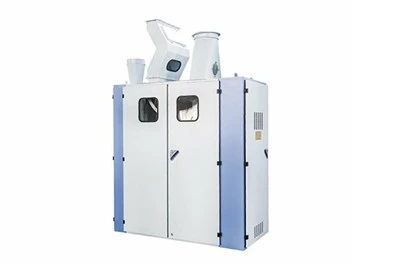
First off, let’s get one thing straight: most guys I talk to either hoard spare parts they’ll never use, or wait until something breaks to order a replacement. Both are garbage moves. Here’s the truth: maintenance time doesn’t just come from fixing a part — it comes from hunting for the right part, waiting for it to arrive, and fumbling with a wrong part that doesn’t fit. I’ve had a client last quarter call me panicking at 10 p.m. because their old batch of shuttle guides were the wrong diameter for their 2019 Picanol looms. They ordered them from some random online supplier, and it took 2 extra hours to grind them down to fit — time they could’ve spent weaving fabric.
So step one: stop guessing what parts you need and start auditing. Not the boring, spreadsheety kind of audit (unless that’s your vibe, no judgment), but a walkthrough audit. Grab your head mechanic, your shift supervisor, and a coffee (the good stuff, not the watery break room swill), and walk every machine line. For each loom, each spinning frame, each finisher, note what parts break most often. I don’t mean the ones that break once a year — I mean the picker rollers that go every 6 months, the shuttle guards that chip every 4 months, the needle bars that bend when you get a jam. Those are your “fast failure” parts, the ones that cause 70% of your unplanned stops. When we help mills with this, we usually find they’re only keeping 2 of those parts on-site when they need 8. That’s a no-brainer win right there.
Wait, but don’t go stockpiling every picker roller you see. Here’s the next trick: standardize your parts across your machines if you can. A lot of mills mix old and new looms — like, half your line is 2017 Tsudakoma and half is 2022 ones — and they order different parts for each, even if a part is functionally identical. I had a mill in Charlotte do this last year: they had 12 looms, each needing a unique tensioner spring. We swapped them all for a universal tensioner spring that fit every single loom in their line, and they cut their spare parts inventory for that part by 60%. Less parts on the shelf means less space, less confusion, and if something breaks, you grab it fast. No rummaging through 10 different bins labeled “old loom” vs “new loom.”
Now, let’s talk about sourcing. This is where I come in, obviously, but I’m not just gonna pitch you cheap junk. The problem with a lot of random spare parts is that they’re made with garbage material — cheap steel that rusts in 3 months, plastic that cracks under heat, bearings that seize up after 2 weeks. I’ve seen a client switch to our high-density picker rollers last year; their average part lifespan went from 5 months to 11 months. That means fewer replacements, but when you do need one, it doesn’t take 2 hours to sand down a cheap part. It fits first time, every time. That cuts maintenance time right there — no extra labor, no lost production messing with ill-fitting parts.
Another big one: lead times. If your spare parts supplier takes 7 days to ship, even if you have the part on hand, wait no — wait, no, if the supplier has the part in stock, you’re good. But if they don’t, you’re stuck. We keep 98% of the common fast-failure parts in our warehouse at all times, because I know what it’s like to have a mill shut down. Last month, a mill in Georgia called me at 1 a.m. because their main spinning frame’s bobbin holder broke. I had the part on the shelf, we shipped it overnight, they had it by 7 a.m. — maintenance time was 45 minutes, not 2 days. That’s the difference between a bad day and a ruined month.
Wait, but what about predictive maintenance instead of reactive? That’s a buzzword everyone throws around, but it ties straight to spare parts. If you use our parts, we can send you usage data — like, based on how many hours a loom runs, a picker roller is gonna wear out in 8 months. You order it when you’re already scheduling a planned maintenance stop, not when it breaks mid-shift. I had a client who did this last year: they shifted from reactive to predictive for their fast-failure parts, and their unplanned maintenance time dropped by 40%. They stopped having those panic 2 a.m. calls, they scheduled work when the mill was already down for cleaning, and they saved thousands in overtime for mechanics.
But hold on, don’t sleep on the small stuff. Like, having the right tools to change the parts. I know a mill that kept all their spare parts in a cabinet at the end of the line, and their socket set for the tensioner springs was missing one size. So every time they changed a spring, they had to run to the other side of the mill to borrow a set, wasting 10 minutes each time. That adds up. So when you audit your parts, check your tools too. Keep a dedicated set of tools for the most common parts, right next to your spare parts bins. No more running around.
Also, training. I can sell you the best parts in the world, but if your mechanic doesn’t know how to put them in right, you’re still wasting time. We do free mini-training sessions for all our regular clients — like 30-minute sessions on changing the new universal tensioner springs, or how to adjust a shuttle guard without needing a machinist. Last quarter, a client told me that after our training, their mechanics change a picker roller in 15 minutes instead of 45. That’s 30 minutes saved every time, times how many times a month they change those. It’s not just the part — it’s knowing how to use it.
Wait, let’s get real for a second. I know cash flow is tight for a lot of mills right now. No one wants to dump a bunch of money into spare parts inventory all at once. So what’s the solution there? Don’t overstock, but keep a rotating buffer. Like, for the parts that break most often, keep 2-3 on-site at all times, and when you use one, order a replacement to bring it back to 2-3. That way, you’re not tying up thousands in inventory, but you’re never waiting for a part when you need it. We also offer flexible order terms for regular clients — you can order in small batches, no minimums, so you don’t have to buy 100 of a part when you only need 5. That’s a big one for small to mid-sized mills.
Another mistake I see: not testing parts before you install them. I’ve had a client grab a new bearing from a supplier, install it, and it seized up 2 hours later. Turned out the bearing had a defect, from cheap manufacturing. If you source your parts from a reputable supplier (guilty of that, obviously), they test every part before it leaves the warehouse. We do dimensional checks, material strength tests, even run the bearings for 24 hours straight to make sure they don’t seize. So when you open the box, it’s good to go. No testing time, no wasted labor installing a bad part.
Let me give you a real example. Last year, we worked with a mill in South Carolina that was averaging 12 hours of unplanned maintenance a week. They were using cheap spare parts from a big box industrial site, they only kept 1 of each common part on-site, and their mechanics had never been trained on the new looms they bought in 2021. We helped them audit their parts, swapped all their fast-failure parts for our durable, universal ones, set up a rotating stock of 3 per common part, did two 30-minute training sessions for their mechanics, and offered overnight shipping for any other parts they needed. Three months later, their unplanned maintenance time was down to 3 hours a week. That’s a 75% drop. They told me they made back the cost of switching parts in the first month from lost production they saved.
So let’s recap what actually works, no fluff: 1) Do a walkthrough audit to find your fast-failure parts, don’t guess. 2) Standardize those parts across your machines to cut inventory and confusion. 3) Source durable, tested parts from a supplier that keeps common parts in stock (no waiting a week). 4) Switch to predictive maintenance for those parts, order them during planned stops, not when they break. 5) Keep tools and spare parts near the machines to eliminate run time. 6) Get free training for your mechanics to cut install time. 7) Don’t overstock — use a rotating buffer for high-use parts to save cash.
I know this stuff sounds simple, but you’d be surprised how many mills ignore these steps. They’re so used to dealing with breakdowns that they don’t stop to fix the root cause, which is almost always their spare parts strategy. If you’re tired of losing production to maintenance stops, or dealing with parts that don’t fit, or waiting 3 days for a replacement, hit us up for a no-pressure consultation. We’ll walk your lines with you, point out exactly where you’re wasting time, and show you how to cut your maintenance time without breaking the bank. No sales pitches, just real advice from someone who’s been in the textile game long enough to know what works.
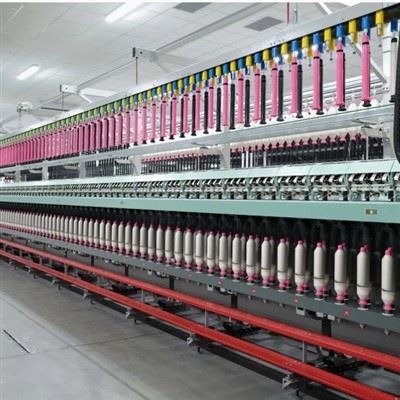
And before I go, remember: the best spare parts strategy isn’t about having every part ever made. It’s about having the right parts, when you need them, so you can fix your machine fast and get back to weaving. We’re here to make that happen for you.
Waste Recycling Machine References:
Textile Machinery Maintenance: Best Practices for Reducing Downtime. Textile World, 2022.
Spare Parts Inventory Management for Industrial Equipment. Journal of Supply Chain Operations, 2021.
Predictive Maintenance in Textile Manufacturing. International Journal of Textile Technology, 2023.
Quality Standards for Textile Machinery Spare Parts. ISO 9001:2019 Implementation Guide for Textile Components, 2020.
Shandong Hongye Machinery Co., Ltd.
Shandong Hongye Machinery Co., Ltd. is one of the most professional textile machinery spare parts manufacturers and suppliers in China, featured by quality products and low price. Please rest assured to buy advanced textile machinery spare parts in stock here and get quotation from our factory. Also, 1 year warranty is available.
Address: Room 1104, Building No. 2, Haier Yunjie, No. 99 Chongqing South Road, Qingdao, China
E-mail: sales@seavincn.com
WebSite: https://www.sdhymachinery.com/
