If you’ve ever stood in front of a malfunctioning pump, staring at a warehouse shelf full of half-opened boxes labeled “pump repair kits” and wondering which one would actually fix your system, you’re not alone. As someone who’s spent the last 12 years as a pump parts supplier, I’ve talked to hundreds of maintenance technicians, plant managers, and small business owners who’ve wasted time and money on kits that were either the wrong size, made with subpar materials, or missing critical components. A pump repair kit isn’t a one-size-fits-all accessory—it’s a precision-matched set of parts that keeps your system running efficiently, prevents costly downtime, and extends the life of your pump. Choosing the right one isn’t just about grabbing the cheapest option; it’s about understanding your pump’s specific needs, the conditions it operates in, and the nuances of what makes a repair kit reliable. Pump Parts

Let’s start with the basics: why pump repair kits exist, and why skipping a custom or matched kit for a generic alternative is a mistake. A pump—whether it’s a centrifugal pump for a municipal water system, a hydraulic pump for a manufacturing line, or a submersible pump for a residential well—relies on hundreds of small, interconnected components to function. Over time, wear and tear takes its toll: seals crack, O-rings harden, impellers erode, and bearings seize. A repair kit is a curated set of replacement parts designed specifically for a particular pump model, engineered to fit perfectly and withstand the operating conditions your pump faces. Generic kits, on the other hand, are mass-produced to fit a range of pumps, which means they often have slight misalignments, inferior materials, or components that break down faster. I once worked with a small food processing plant owner who tried to save $80 by buying a generic seal kit for his 3-inch centrifugal pump; two weeks later, the seal failed, spilling 50 gallons of flavored syrup across the production floor, shutting down operations for 18 hours, and costing him over $12,000 in lost revenue. That’s the kind of mistake a wrong kit can cause.
So, how do you avoid that? Let’s break down the key steps to choosing the right pump repair kit, drawing on real conversations and issues I’ve seen with customers over the years.
First, you need to gather exact information about your pump—no guesswork allowed. This isn’t the time to rely on vague memories or old notes; you need specifics. Start with the pump’s model number and serial number, which are usually stamped on the pump’s casing, motor nameplate, or the installation manual. If you can’t find the model number, you can measure key physical dimensions: the size of the shaft, the outer diameter of the seal chamber, the length of the impeller, and the inner diameter of the casing. This information is non-negotiable because even a 1/16-inch difference in a seal’s diameter can cause leaks. I remember a customer who bought a kit for a model 1510 pump, but he had an older, discontinued variant that used a slightly larger O-ring; he spent three days cutting and modifying parts before he realized his mistake. Always confirm these numbers with a quick check—if you’re unsure, a photo of the pump’s nameplate sent to us (or any reputable supplier) will give you an instant answer.
Next, you have to match the kit to the type of pump you’re working on. Not all pumps are the same, and their repair kits are tailored to their design and function. Let’s go through the most common types: centrifugal pumps, positive displacement pumps (like gear pumps or piston pumps), and submersible pumps. Centrifugal pumps, which are used for moving water, chemicals, and oils at high flow rates, typically need seal kits, impeller replacement kits, and bearing kits. These kits are designed to handle the centrifugal force and fluid pressure the pump generates. Positive displacement pumps, which are used for viscous fluids like heavy lubricants or food products, need kits that include precision-machined gears, piston rings, and valve seats—parts that have to seal tightly and move smoothly without wear. Submersible pumps, which operate underwater, need kits with corrosion-resistant seals and waterproof cable connectors, because even a tiny leak can destroy the motor. I once supplied a seal kit for a submersible pump in a saltwater aquaculture system; the right kit included a Viton seal, which is resistant to salt corrosion, while a standard nitrile seal would have failed in two months.
Then, the most critical factor after pump type: the operating environment and fluid the pump handles. This is where choosing the wrong material for kit parts leads to failure. For example, if your pump moves water with high chlorine levels, a nitrile rubber seal will break down in a few months, but a Viton or EPDM seal will last years. If you’re handling petroleum-based fluids, nitrile is the go-to, but natural rubber isn’t compatible. For high-temperature applications, like pumps in a steel mill that move hot water or molten slag, you need parts made from materials like PTFE or graphite, not standard rubber that melts or deforms at temperatures above 200°F. We recently had a customer in a pharmaceutical plant who uses a pump to move sterile water; he needed a kit with FDA-approved, food-grade materials, because even trace amounts of chemical leaching from a subpar seal could contaminate his product. Generic kits often skip these material specifications, so it’s up to you to ask: Is this kit’s O-ring, seal, and gasket material rated for the fluid and temperature my pump uses?
Now, what components should be included in a quality repair kit? A common mistake is buying a kit that’s missing essential parts, or including parts you don’t need. A complete kit should include all wear parts for a full overhaul, not just one or two items. For a typical centrifugal pump, that means a mechanical seal, O-rings, gaskets, shaft sleeves, bearings, and impeller keys. For a gear pump, it should include gear sets, seals, bearings, and shaft end rings. Avoid “partial kits” that only include a seal and a couple of O-rings—you’ll end up buying other parts separately, which can cost more in the long run and lead to mismatched components. Also, check if the kit includes installation hardware like bolts, lock washers, or adhesive; many technicians forget these small parts, and sourcing them separately can delay a repair. That said, don’t buy a kit with parts you don’t need. If your pump only needs a seal replacement, a full overhaul kit is a waste of money, and the extra parts may sit on the shelf until they degrade from age.
Another key consideration: the supplier’s reputation and the kit’s quality control. Not all pump repair kits are made equal. Some kits are manufactured to original equipment manufacturer (OEM) specifications, while others are “aftermarket” parts that cut corners on materials or machining. OEM kits are designed by the pump’s original maker, so they’re guaranteed to fit and work, but they’re often more expensive. High-quality aftermarket kits, however, can be just as reliable, and at a lower cost, if they’re made with precision and tested to match OEM standards. At our shop, we test every kit before it leaves the warehouse: we check seal dimensions for accuracy, O-ring hardness for compatibility, and gear tolerances to ensure they fit the pump’s casing without binding. I’ve seen too many cheap kits where the impeller is slightly warped, or the seal has a rough surface that causes leaks within a week. Ask your supplier about their quality control process, and look for reviews from other customers—if a supplier has a pattern of customers complaining about kits that don’t fit or fail quickly, look elsewhere.
Then, there’s the question of whether to buy a kit designed for your pump’s age. Older pumps, especially discontinued models, often have slight design changes from their original specifications, even if the model number is the same. For example, a 10-year-old model 200 pump may have a 5/8-inch shaft, while a newer variant has a 11/16-inch shaft. A good supplier will have updated repair kits for older pumps, or will note in the kit’s description if it’s compatible with different variants. If you’re working with a very old pump, it may be worth contacting the pump’s manufacturer directly to confirm the correct kit, or working with a supplier who specializes in obsolete pump parts. I recently helped a customer with a 1980s water pump that was no longer supported by its original manufacturer; we found a kit that was machined to match the pump’s original dimensions, even though it was a custom build, and it’s been running for three years without issues.
Let’s also talk about a common scenario: emergency repairs. Sometimes, a pump fails unexpectedly, and you need a kit fast. In these cases, it’s even more important to avoid grabbing any random kit. Take 10 extra minutes to confirm your pump’s model number and the fluid it handles, because ordering the wrong kit will only delay your repair further. We often get after-hours calls from plant managers panicking about a failed pump, and we always ask them to share their pump’s nameplate information over the phone before we pull a kit—we’d rather send the right part the first time than have them return a wrong kit and wait another day.
Now, let’s cover some red flags to watch out for when choosing a kit. If a supplier is unwilling to provide the kit’s material specifications, or won’t confirm compatibility with your pump model, that’s a sign to look elsewhere. If a kit is priced 50% lower than all other similar kits, it’s probably made with subpar materials—you’ll end up paying more in replacements and downtime. If the kit’s packaging is unlabeled, with no model numbers or material info, that’s a generic product that’s unlikely to fit your pump. I once had a customer bring in a generic kit he’d bought from a hardware store for a hydraulic pump; the O-rings were soft and crumbled when he tried to install them, and the supplier had no way to confirm what fluid they were rated for.
Once you’ve chosen the right kit, there’s one last step: proper installation. Even the best kit will fail if it’s installed incorrectly. Make sure you follow the pump’s installation manual, use the right tools (like a seal puller or bearing installer to avoid damaging the shaft), and lubricate O-rings with a compatible fluid (not grease that can break down the rubber). Many technicians skip lubricating O-rings, leading to tears during installation. If you’re not comfortable with the installation, hire a certified pump technician—this small investment will protect your kit and your pump.
At the end of the day, choosing the right pump repair kit is about balancing accuracy, quality, and cost. It’s not about picking the cheapest option or the most expensive one—it’s about picking the option that matches your pump’s specific design, operating conditions, and needs. For over a decade, I’ve seen customers save thousands of dollars by choosing a custom, high-quality kit, and lose just as much by cutting corners.
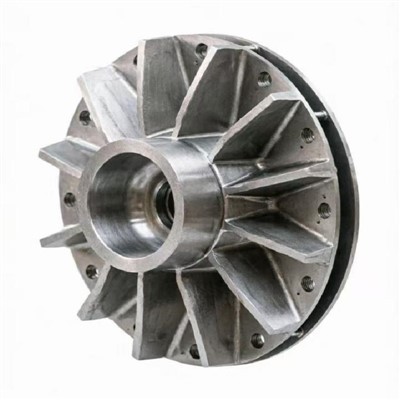
If you’re unsure which kit is right for your pump, don’t guess. Reach out, share your pump’s model number, serial number, and the fluid it handles, and our team will help you find the exact kit you need, with confirmation of material compatibility and fit. We test every kit in stock to ensure it meets our standards, and we’ve helped hundreds of customers avoid the headaches of wrong kits and unplanned downtime.
VALVE References:
- Pump Repair and Maintenance Guidelines, Hydraulic Institute, 2022.
- Selection of Pump Seal Materials for Industrial Applications, American Society of Mechanical Engineers (ASME), 2021.
- Positive Displacement Pump Repair Kit Compatibility Standards, National Fluid Power Association (NFPA), 2020.
- Submersible Pump Maintenance Best Practices, International Association of Plumbing and Mechanical Officials (IAPMO), 2023.
- Aftermarket Pump Part Quality Control Report, Pump Manufacturers Association, 2022.
Wudi County Shun Ye Stainless Steel Products Co., Ltd.
WUDI COUNTY SHUN YE STAINLESS STEEL PRODUCTS CO.,LTD. is one of the most professional pump parts manufacturers and suppliers in China, also supports customized service. Welcome to buy bulk cheap pump parts made in China here and get quotation from our factory. For price consultation, contact us.
Address: Duliu Village, Liubao Town, Wudi County, Binzhou City, Shandong Province
E-mail: sales@wdshunye.com
WebSite: https://www.shunyecasting.com/
