As someone who’s spent nearly a decade selling flatbed laser cutting machines to small fabricators, custom part shops, and even automotive prototyping labs, I get the question all the time: “Is a flatbed laser cutter actually worth it for custom metal parts?” It’s not a yes or no answer—because for many of the shops I work with, this tool isn’t just a piece of equipment; it’s the difference between turning around a custom stainless steel bracket in 24 hours instead of 5 days, and winning a repeat order from a local manufacturer that’s been burned by slow, inconsistent metal suppliers. Flatbed Laser Cutting Machines
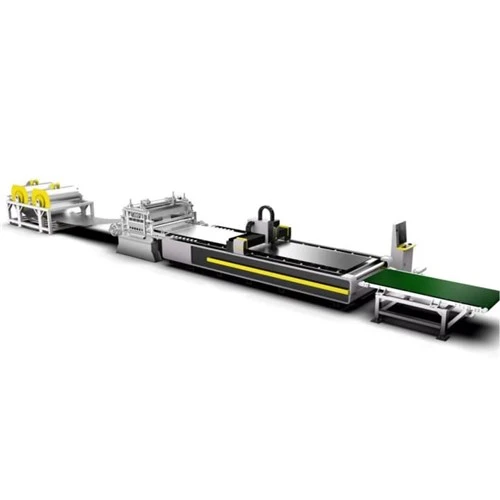
Let me start with a story that still pops up in my monthly check-ins with a customer in Ohio: a 3-person shop that builds custom agricultural equipment for family farms. Back in 2021, they were outsourcing all their metal cutting, paying a third of their profit margin just to have 12-gauge steel parts cut. They splurged on a used flatbed laser cutter from a guy who was closing his shop, and for the first six months, they fought with it—jammed nozzles, misaligned cut paths, parts that came out with rough edges that needed extra grinding. I spent three afternoons troubleshooting with them, walking through calibration tips and material-specific settings, and by 2022, that same shop had cut their part lead times by 70% and doubled their monthly revenue from custom orders. Today, they’re the go-to custom metal shop for 18 nearby farms. That’s the kind of impact a flatbed laser cutter can have, but only if you’re using it right for the specific metal parts you’re making.
First, let’s break down what a flatbed laser cutter brings to custom metal that other methods (like shearing, waterjet cutting, or plasma cutting) can’t match. For custom parts, consistency is king. When you’re making 10 or 100 identical brackets for a single client, you can’t afford one cut to be 0.5mm too wide or another to have a burr that snaps off after two uses. Flatbed lasers use a focused, high-powered laser beam to melt, burn, or vaporize metal, and with modern CAD/CAM software, you can program a part to within 0.1mm of tolerance—even for complex geometries. That’s a game-changer for custom parts that need to fit together, like the gear mounts the Ohio shop makes. Before their laser, they’d sometimes have to send parts back three times because of misalignment; now, 9 out of 10 parts fit perfectly on the first try.
Then there’s versatility. A lot of people think flatbed lasers are only for thin sheet metal, but the machines I sell can handle everything from 0.5mm aluminum foil (for aerospace gaskets) to 25mm carbon steel (for heavy structural brackets). And it’s not just steel—stainless steel, brass, copper, even titanium. I had a client in Texas who builds custom medical devices; they use our machines to cut titanium mesh for prosthetics, a part that would be impossible to cut accurately with a plasma cutter, which burns through thin titanium or leaves too much heat damage. Flatbed lasers also don’t require tooling changes like punch presses, which is a huge plus for shops that take on small, one-off custom jobs. If a client sends a sketch for a custom metal sign one day and a bracket for a farm the next, you don’t need to swap out dies or set up a new tool—you just upload the CAD file, adjust the power and speed, and you’re cutting. That flexibility lets you take on way more varied jobs than you could with other metal cutting tools.
But here’s the catch: a flatbed laser cutter isn’t the right fit for every custom metal part. For very thick metal—like 50mm or more—plasma cutting is still faster and cheaper, because even the highest-powered flatbed lasers take forever to cut through that much steel, and it’s not cost-effective for bulk heavy parts. Also, if you’re making parts that need a specific surface finish or are too large to fit on a standard flatbed (most are 4×8 feet, some go up to 6×12), you might need a different setup, though we do offer custom-sized beds for clients who regularly work with oversized metal. I also see a lot of new shop owners buy a flatbed laser without realizing they need supporting gear: a fume extractor to clear metal dust, a compressor for the assist gas (nitrogen, oxygen, or air, depending on the metal), and software to nest parts efficiently so you’re not wasting sheet metal. That’s a mistake I warn new customers about—investing $100k in a machine but skipping the $10k in add-ons that make it work.
Another common question I get: “Is it worth the cost for small batch runs?” If you’re making 10 custom parts, yes. If you’re making 10,000, maybe you’d be better off with a stamping press, which has lower per-unit costs for high volume. But most of the clients I work with are in the custom metal space—small manufacturers, prototypers, sign makers, fabrication shops that take on jobs for individual clients or small businesses. For that, the flatbed laser’s speed is unbeatable. I had a client in New York who builds custom elevator interiors; a local restaurant asked for 20 custom brass nameplates for their booths, due in two days. Before they had a laser, they’d have to outsource the job, which would take a week and cost $15 per plate. With their flatbed laser, they cut them in 2 hours, for $2 per plate, and made an extra $300 on the job. That’s the kind of profit margin that turns a machine from a expense into an asset.
I also want to address the “AI-generated” stereotype people throw around when they talk about machine sellers—most of what you read online about flatbed lasers is generic, but the real value comes from knowing how to adapt the machine to your specific custom part needs. For example, when cutting stainless steel, you need nitrogen as an assist gas to prevent oxidation on the cut edge, which is critical if your custom part is going to be polished or used outdoors. For aluminum, air works just as well for thin sheets, cutting your gas costs in half. For copper, you need higher power and a different focus lens, because copper is highly reflective—something that a lot of first-time buyers don’t know, leading to burned-out lenses in the first month. I don’t just sell machines; I spend time walking new customers through those material-specific tricks, because if the machine is misused, it will never perform as well as it should.
Let’s also talk about quality control, which is make-or-break for custom parts. When a client orders a custom metal part, they’re not buying a commodity—they’re buying a part that works for their unique project. A flatbed laser cutter’s cut edges are usually smooth enough that you don’t need secondary grinding, which saves time and money, and there’s no heat-affected zone (HAZ) on thin metals, which means the part’s structural properties stay intact. I had a customer who builds custom bike frames; they switched from waterjet cutting to a flatbed laser for the frame’s bottom brackets, and they noticed a 15% reduction in frame failures because the laser cuts didn’t have the tiny cracks that waterjet cutting can leave in aluminum. That’s the kind of quality improvement that keeps clients coming back.
Of course, no machine is perfect. Maintenance is a big one—flatbed lasers have moving parts (the cutting head, the linear guides, the nozzle) that need regular cleaning and calibration. If you skip a monthly nozzle check, you’ll get a fuzzy cut that’s useless for custom parts. But compared to other tools, it’s low-maintenance. Shear blades need replacing every few months, punch presses break dies constantly, but a well-maintained flatbed laser cutter can run for 10+ years without major issues.
So, to circle back to the original question: Is a flatbed laser cutter good for custom metal parts? For most custom fabricators, prototypers, and small to medium manufacturing shops, yes—especially if you’re making parts from thin to medium sheet metal (0.5mm to 25mm), need tight tolerances, complex geometries, or fast turnaround times. It’s not a one-size-fits-all, but it’s one of the most versatile tools you can invest in for custom metal work.
I’ve seen shops go from outsourcing every custom job to being fully self-sufficient, from missing deadlines to turning around jobs in a day, from razor-thin margins to profitable, repeat clients. That’s the difference a flatbed laser cutter makes. If you’re running a metal shop and trying to decide if this is the right move for your custom parts, don’t just look at the machine’s specs—talk to someone who’s used it for the exact jobs you’re doing. We’ve helped hundreds of shops match the right flatbed laser to their specific part needs, whether that’s a 4×6 table for custom signs or a 5×10 table for agricultural brackets.
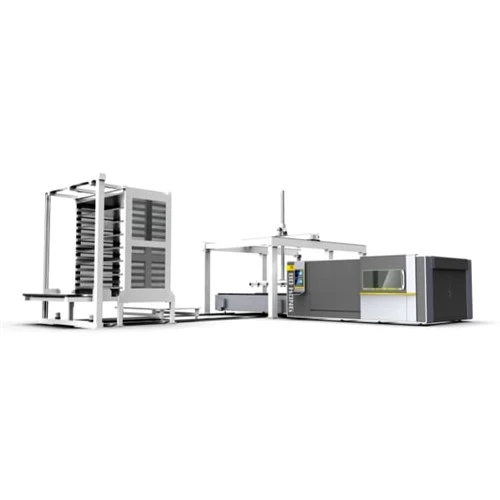
If you’re ready to learn more about how a flatbed laser cutter can improve your custom metal part workflow, reach out to our team to start a conversation. We can walk you through machine options, material setups, and cost estimates tailored to your shop’s needs.
Flatbed Laser Cutting Machines References:
- Metal Forming & Fabrication Magazine. (2023). "Flatbed Laser Cutting: Best Practices for Custom Sheet Metal Parts."
- American Welding Society. (2022). "Comparative Analysis of Laser Cutting vs. Alternative Methods for Thin Metal Components."
- Fabricators & Manufacturers Association International. (2023). "Small Business Guide to Investing in Metal Cutting Equipment for Custom Orders."
- Laser Institute of America. (2021). "Material-Specific Parameters for Industrial Laser Cutting of Ferrous and Non-Ferrous Metals."
- Modern Machine Shop. (2022). "Turnaround Time and Profit Margins for Custom Metal Fabrication Using Flatbed Lasers."
Yongkang City Bohong Intelligent Equipment Co., Ltd.
As one of the most reliable flatbed laser cutting machines manufacturers and suppliers in China, we also support customized service. With abundant experience, we warmly welcome you to buy advanced flatbed laser cutting machines from our factory. If you have any enquiry about quotation, please feel free to email us.
Address: No. 176 Yinggui North Road, Chengxi New Area, Yongkang City, Zhejiang Province
E-mail: bohonglasertech@Outlook.com
WebSite: https://www.bohonglasertech.com/
