Hey there, it’s Jake from the SPC wall panel supply team here. Lately, I’ve been answering the same question from homeowners, contractors, and interior designers nonstop: “Do SPC wall panels need maintenance?” And honestly, I get why it’s such a common one—when you’re picking wall cladding for a kitchen backsplash, bathroom shower, or even a high-traffic commercial break room, you want something that doesn’t turn into a weekly chore. Let’s cut through the noise, since I’ve spent years sourcing, testing, and installing SPC panels for all kinds of spaces, and break down exactly what maintenance they do (and don’t) need, no sales fluff attached. SPC Wall Panel
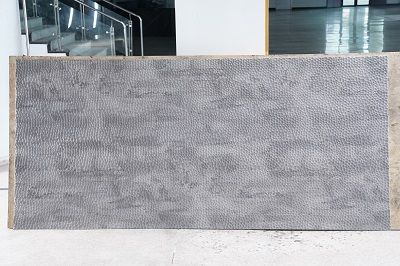
First, let’s make sure we’re on the same page about what SPC wall panels actually are, because I think a lot of people mix them up with other plastic-based wall products. SPC stands for Stone Plastic Composite— it’s a rigid core made from natural limestone powder and polyvinyl chloride (PVC), so it’s way denser than traditional vinyl panels, cheaper tile, or even laminate. We’ve all seen those flimsy peel-and-stick vinyl panels that warp after six months in a steamy shower, right? SPC is different: the dense core means it’s waterproof, scratch-resistant, and fire-retardant, which is why it’s blown up in residential and commercial spaces over the last five years. But even with all those perks, nothing in construction is totally “maintenance-free,” and that’s what we need to talk about.
Let’s start with the low-effort part, because that’s the biggest selling point of SPC panels. For daily upkeep? It’s basically non-existent. I’ve walked into kitchens we installed SPC backsplashes in three years ago, and the homeowners still wipe them down with a damp paper towel after spills, no special cleaners. Even in bathrooms, where steam, soap scum, and toothpaste splatters are daily nuisances, SPC panels hold up. Their non-porous surface means nothing seeps in—no mold growing in grout lines (wait, that’s a big one—regular ceramic tile requires sealing grout every year to prevent mold, right? SPC doesn’t have that issue because there’s no porous grout between panels if you install them correctly with the right joint sealant). I had a contractor customer last month tell me he installed our SPC panels in a commercial spa’s wet area last year, and the only time his crew touched them was to wipe up a small coffee spill that someone tracked in—no scrubbing, no disinfectant beyond a mild all-purpose spray. That’s the baseline: SPC is designed to require almost zero daily upkeep, which is why it’s such a popular alternative to tile.
But here’s the part most people don’t ask about: the proactive, infrequent maintenance that will keep your SPC panels looking good for 10, 15, even 20 years. And this isn’t complicated— it’s just small, simple steps that take 10 minutes every few months. Let’s break those down by scenario, because residential vs. commercial spaces have different needs.
First, residential spaces: if you’re using SPC panels in a kitchen, bathroom, or living area, there are two key maintenance tasks. The first is checking the panel joints every 6 months. When we install SPC panels, we use a flexible, silicone-based sealant that’s designed to expand and contract with the panel as temperatures and humidity change. In places with super dry winters or really humid summers, that sealant can crack a tiny bit over time. I had a homeowner in Phoenix reach out to me last year, saying her SPC shower panels had a tiny gap where the sealant had split after a year. It was easy enough to re-caulk that spot with the same silicone sealant we supply—no need to replace the whole panel, and it took less than 15 minutes. If you catch that gap early, you prevent water from seeping behind the panel, which could damage the underlying drywall (another thing to note: SPC panels are waterproof, but the drywall they’re mounted on isn’t, so sealing joints is key). The second residential task is gentle cleaning for heavy stains. Sure, a pasta sauce spill wipes right up, but what about a grease stain that’s been left on a kitchen backsplash for a week? Or a marker mark from a kid drawing on the bathroom wall? Don’t use abrasive scouring pads or harsh chemicals like bleach—those can scratch the panel’s surface or discolor it over time. We recommend a mix of warm water and a mild dish soap, applied with a soft microfiber cloth. For really tough scuffs, a little baking soda paste works too, no harsh stuff needed. I always tell customers to test any cleaner on a tiny, hidden part of the panel first, just to be safe.
Now for commercial spaces, because we work with a lot of cafes, gyms, and office buildings, and their maintenance needs are a little different. Commercial areas have higher traffic, more frequent spills, and sometimes even more exposure to chemicals (like in a commercial kitchen, where they use industrial-grade degreasers). The proactive maintenance here is similar but a bit more frequent: check joint sealants every 3 months instead of 6, because commercial spaces have more temperature fluctuations (think a cafe opening early in the morning, cranking the heat, then letting it get steamy during lunch rush). Also, for commercial kitchens, we do recommend a deep clean every 6 months using a pH-neutral cleaner—those harsh degreasers can break down the panel’s UV coating over time, which is what makes them scratch and fade-resistant. I had a restaurant owner in Chicago use a regular degreaser on his SPC backsplash and notice the edges were fading after a year; switching to a pH-neutral cleaner fixed that, no re-install needed. The last commercial maintenance tip: if a panel gets scratched (say, a cart scraping against a wall in a retail space), you don’t have to replace the whole wall. Most SPC panels are designed to be interlocking, so you can pop out the damaged panel and replace just that one, which is way cheaper and less hassle than tile or drywall. That’s a big plus for busy commercial spaces that can’t afford to shut down for a full wall replacement.
Wait, let’s address the myths that make people think SPC needs more maintenance than it actually does. I hear all the time: “But vinyl warps, so SPC must too.” No—SPC’s rigid limestone core is 30-40% denser than standard vinyl, so it’s way less likely to warp or bend from temperature changes. I’ve seen SPC panels installed in a garage in Minnesota, where it gets -20°F in winter and 90°F in summer, and they’ve looked exactly the same for four years. Another myth: “SPC stains easily.” Nope—its non-porous surface means most liquids bead up and wipe off immediately. The only time staining happens is if you leave something like oil-based paint or permanent marker on it for weeks, which would stain almost any wall product. That’s not a SPC-specific issue.
Now, let’s talk about what happens if you skip maintenance, because it’s not a disaster, but it’s avoidable. If you don’t re-seal joints when they crack, you could get water damage behind the panels, which would ruin the drywall or even the framing. If you use harsh cleaners, you can dull the panel’s surface, making it look faded or scratched over time. But none of that is inevitable— it’s just about 10 minutes of check-ins every few months. I like to tell people that SPC wall panels are the low-maintenance choice for people who don’t want to spend hours cleaning their walls, but they’re not set-it-and-forget-it forever. Compare that to ceramic tile, which needs grout sealing, regrouting every 10 years, and scrubbing grout lines monthly—SPC is way less work. Or wallpaper, which tears, fades, and needs to be replaced every 5 years—SPC can last twice as long with barely any effort.
From my time in the supply business, the best customers are the ones who set realistic expectations. We don’t sell SPC as “maintenance-free” because that’s a lie—no wall product is. But we do sell it as “low-maintenance, with simple tasks that keep it looking great for decades.” I’ve had customers reach out after 5 years, asking how to touch up a small scuff or re-seal a joint, and that’s exactly the kind of support we offer. It’s not rocket science—we send a quick how-to video when someone buys our panels, and we’re always available to answer questions, no matter how small.
If you’re weighing SPC wall panels for your next project, whether it’s a kitchen upgrade, a bathroom redo, or a commercial build, and you’re still curious about maintenance, don’t hesitate to reach out to our team to talk through your specific space. We can help you figure out the right sealants, cleaners, and maintenance schedule that fits your needs, no sales pressure—just real advice from people who work with SPC panels every day.
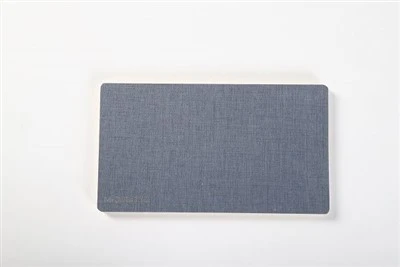
At the end of the day, the goal of any wall cladding is to make your space look good without becoming a daily chore. SPC panels deliver on that, with minimal maintenance that’s easy to stick to. Don’t let the myth of “too much upkeep” scare you off—they’re one of the lowest-maintenance wall products on the market right now, as long as you do those small, simple checks every few months. If you’re ready to explore SPC panels for your project, get in touch with our team to discuss your requirements, and we’ll help you find the right solution for your space.
PS Wall Panel References
- National Kitchen & Bath Association. (2022). "Low-Maintenance Wall Cladding for Residential Spaces". NKBA Industry Research Report.
- International Code Council. (2021). "Performance Standards for Stone Plastic Composite Wall Panels". ICC Evaluation Service Report.
- Tile Council of North America. (2023). "Comparison of Maintenance Requirements for Ceramic Tile vs. SPC Wall Panels". TCNA Technical Bulletin.
- Sustainable Building Science Association. (2022). "Non-Porous Wall Materials and Mold Prevention". SBSA Building Materials Guide.
Shandong Fanjie International Trade Co., Ltd.
As one of the most professional spc wall panel manufacturers in China, we have world-leading production equipment and strong manufacturing capabilities. Please feel free to buy bulk high quality spc wall panel from our factory. We also accept customized orders.
Address: L4-015 Cross border E-commerce Entrepreneurship Park, Lanshan District, Linyi City, Shandong Province
E-mail: info@lsdec.com
WebSite: https://www.fanzeradecor.com/
