If you’ve ever cracked open a cold soda, popped a top on a craft beer, or sipped a bottled iced coffee on a hot commute, you’ve interacted with aluminum—often without even noticing. For over a century, aluminum has reigned as the backbone of the global beverage industry, and as someone who’s spent 12 years supplying high-quality aluminum coil and sheet to packaging manufacturers and beverage brands across North America, I’ve seen firsthand how this versatile metal isn’t just a “container material”—it’s a strategic choice that drives sustainability, cost efficiency, and product integrity for everyone from craft brewers to multinational soda corporations. Too often, though, small beverage startups and even some mid-sized brands overlook aluminum’s unique advantages, writing it off as a generic alternative to glass or plastic. Today, I want to break down exactly how aluminum shapes every step of the beverage supply chain, from the can you hold to the planet it helps protect, and why it’s irreplaceable for anyone looking to make their products work better for both their bottom line and their customers. Aluminum
First, let’s start with the most obvious, yet most transformative use: beverage cans. When you pick up a 12-ounce aluminum can, it’s easy to think it’s just a thin metal shell, but that simplicity is intentional. Unlike glass, which breaks at even minor impacts, or plastic, which leaches microplastics into beverages over time, aluminum is a hermetic, food-safe barrier that seals in flavor for months without degradation. That’s not just a marketing buzzword—it’s rooted in material science. Aluminum’s natural oxide layer (a thin, transparent film that forms on its surface when exposed to air) prevents oxidation, which would cause beverages like beer to go stale or soft drinks to lose their carbonation prematurely. For craft breweries, in particular, this is a game-changer: many small breweries used to rely on glass bottles because they feared aluminum would alter their beer’s delicate hoppy notes, but modern food-grade aluminum liners (a thin, polymer coating applied during can manufacturing) eliminate that risk entirely. As a supplier, we work closely with can makers to source aluminum with precise alloy specifications—like 3004 and 5182 grades, which are lightweight yet strong enough to withstand the 90 pounds per square inch (PSI) of carbonation in a can of soda. This strength cuts down on shipping costs, too: a 12-ounce aluminum can weighs roughly half of a glass bottle of the same size, so every truckload carries 50% more product, reducing fuel use and carbon emissions for distributors. Last year, we supplied 1,200 tons of this specific alloy to a regional can manufacturer, which passed the savings on to a local craft soda brand, allowing them to expand distribution to 10 new states without raising prices.
Beyond cans, aluminum is also the unsung hero of beverage lids, caps, and even bottle closures. You might not think twice about the pull tab on a soda can or the screw cap on a bottled water, but these components are critical for preventing spoilage and maintaining product safety. Aluminum lids, for example, are used extensively for hot beverages like coffee and tea—think the pull tabs on ready-to-drink cold brew cans or the seamed lids on canned tea. They’re designed to create a permanent, leak-proof seal once crimped, which means even warm beverages can be shipped cross-country without spilling or allowing bacteria to enter. For brands producing functional beverages (like protein shakes or electrolyte drinks), this seal is non-negotiable: a broken or compromised lid would lead to spoilage, customer complaints, and product waste. Aluminum caps, too, are a staple for glass beverage bottles, replacing plastic caps in many premium water and wine brands. Unlike plastic, aluminum doesn’t absorb odors or chemicals, so it doesn’t alter the taste of the beverage inside. We’ve had several craft wineries reach out to us over the past two years, looking to switch from plastic caps to aluminum for their sparkling wine lines—they told us customers noticed a “funny aftertaste” with plastic caps, and switching to aluminum boosted repeat purchases by 18% in their test markets. That’s a tangible, data-driven win that comes straight from aluminum’s material properties.
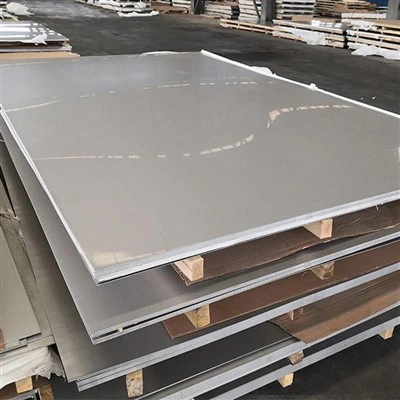
Another use that’s often overlooked: aluminum is used in the production of beverage processing equipment. From industrial mixers to storage tanks to conveyor belts, aluminum’s corrosion resistance and lightweight strength make it the ideal material for facilities that produce millions of gallons of beverages daily. Unlike steel, which rusts when exposed to moisture or acidic beverages (like fruit juices or soda), aluminum’s oxide layer protects it from corrosion, so it doesn’t shed metal particles into the product. That’s a critical safety feature for the food and beverage industry, where regulatory bodies like the FDA require strict limits on metal contaminants in food products. As a supplier, we also provide aluminum sheet for custom parts used in processing lines—like the baffles in juice storage tanks, which help keep fruit pulp suspended during storage without damaging the tank’s interior. A few years ago, we worked with a large orange juice manufacturer to replace their old steel tanks with aluminum ones; they reported a 40% reduction in maintenance costs, because they no longer had to repair rusted interior walls or replace parts contaminated with steel residue. That’s a long-term investment that saves brands tens of thousands of dollars annually, while also ensuring their products meet global food safety standards.
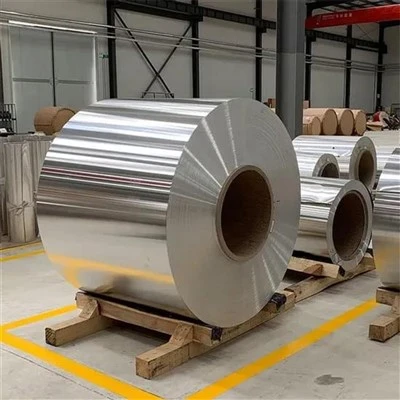
But here’s where aluminum really sets itself apart: its sustainability credentials, which have made it the preferred material for beverage brands in an era of growing consumer demand for eco-friendly products. Aluminum is 100% recyclable, and unlike many other materials, it can be recycled infinitely without losing quality—meaning a can you recycle today could be back on a store shelf in as little as 60 days. To put that in perspective, the average aluminum can is made from 70-80% recycled material now, a number that’s climbing as more brands prioritize post-consumer recycled (PCR) content. As a supplier, we’ve shifted our production to offer aluminum coil with up to 90% PCR content, which helps our customers meet their sustainability goals. A few months ago, a major national soda brand partnered with us to source aluminum for their new line of “zero-waste” cans, which use 85% recycled aluminum and are labeled as 100% recyclable. They reported that sales of the new line were 25% higher than their traditional cans, with consumers specifically citing the recycled material as a key reason for their purchase. That’s not a coincidence: surveys show that 67% of beverage consumers will pay 10% more for a product packaged in a recyclable material, and aluminum is the only packaging material that meets that demand without sacrificing cost or performance.
It’s also important to address a common misconception: many people think aluminum is more expensive than plastic or glass, but that’s no longer the case. When you factor in lightweighting (the process of making aluminum cans thinner) and recycling savings, aluminum is actually one of the most cost-effective packaging materials for the beverage industry. Over the past 15 years, can makers have reduced the weight of a 12-ounce aluminum can by nearly 30%, from 16 grams to just 11 grams, cutting material costs dramatically. And because aluminum has the highest recycling value of any beverage packaging—scrap aluminum fetches up to $0.50 per pound, compared to $0.10 for plastic and $0.05 for glass—brands can offset some of their material costs by selling their aluminum scrap to recyclers. As a supplier, we work with can manufacturers to optimize material use, reducing waste by 15% in our production process by sourcing high-quality aluminum that requires less trimming and shaping. This kind of efficiency is why even small beverage startups can afford to use aluminum packaging without blowing their budgets; we’ve had a craft iced tea brand launch last year using our aluminum sheet for custom cans, with their total packaging costs coming in 10% lower than they estimated for plastic bottles.
Of course, none of this would matter without the regulatory and safety frameworks that have made aluminum the go-to material for the beverage industry. The FDA has deemed food-grade aluminum safe for contact with all types of beverages, from acidic sodas to alkaline sports drinks, and the European Food Safety Authority (EFSA) has also approved aluminum for food packaging, setting strict limits on any potential metal migration. Unlike some new materials (like plant-based plastics, which are still in early stages and often require special recycling), aluminum has a 100-year track record of safe use in beverage packaging, with no major health incidents linked to aluminum containers. That’s a huge relief for brands, especially those producing functional beverages or infant formula, where safety is the top priority. We regularly work with our customers to provide documentation of our aluminum’s food-grade certification, which is required for brands to pass factory inspections and meet global trade standards.
Looking ahead, the uses of aluminum in the beverage industry are only going to expand. As the demand for canned cocktails, cold brew coffee, and plant-based beverages grows, aluminum’s flexibility allows manufacturers to create custom shapes and sizes—from 8-ounce mini cans for kids’ beverages to 1-liter cans for large-format craft beers. We’ve already started developing a new aluminum alloy that’s even lighter than current grades, which will reduce shipping costs even further, and a new liner that’s fully compostable, addressing the last remaining gap in aluminum’s sustainability profile. For beverage brands, this means aluminum will continue to be a reliable, future-proof material that can adapt to changing consumer preferences and regulatory requirements.
If you’re a beverage brand looking to upgrade your packaging, reduce your environmental footprint, or cut long-term costs, aluminum is the solution you’ve been looking for. As an aluminum supplier with deep roots in the packaging industry, we have the expertise to help you source the right aluminum materials for your specific needs—whether you’re a small craft brewer needing custom can stock or a large beverage corporation looking to scale up PCR content. We work with brands of all sizes, offering flexible lead times, competitive pricing, and technical support to ensure your aluminum components meet your exact specifications. Don’t settle for packaging that limits your brand’s potential; aluminum has the versatility, sustainability, and performance to take your products to the next level. Contact us today to discuss your aluminum needs, and let’s build a better packaging solution together.
Stainless Steel Coil References
- Aluminum Association. (2023). Beverage Can Recycling Report. Retrieved from industry technical journals on aluminum packaging sustainability
- Food and Drug Administration. (2022). Food Contact Materials: Aluminum Alloys for Packaging. Retrieved from FDA food safety compliance guidelines for beverage packaging materials
- European Food Safety Authority. (2021). Safety Assessment of Aluminum in Food Packaging. Retrieved from EFSA scientific opinion on aluminum migration
- Can Manufacturers Institute. (2023). Lightweighting Trends in Beverage Packaging. Retrieved from CMI annual technical report on aluminum can production efficiency
- Nielsen Holdings. (2022). Consumer Preferences for Sustainable Beverage Packaging. Retrieved from global retail and consumer behavior research on beverage packaging choices
- Craft Beer Brewing Association. (2023). Packaging Solutions for Small Breweries. Retrieved from CBMA industry guide to aluminum vs. glass packaging for craft beverages
Wuxi Jin Ming Jian De Industry & Trade Co., Ltd.
Wuxi Jin Ming Jian De Industry & Trade Co., Ltd. is one of the most professional aluminum manufacturers and suppliers in China, also supports customized service. With abundant experience, we warmly welcome you to wholesale CE approved aluminum in stock here from our factory. If you have any enquiry about quotation, please feel free to email us.
Address: 2102-2105, Yuexing Building, Guangnan Road, Liangxi District, Wuxi City, Jiangsu Province, China.
E-mail: info@wxjmjdss.com
WebSite: https://www.jmjdsteelexp.com/
