Hey there, it’s Jake from your go-to rock wool pipe supplier—let’s cut the formal stuff right away because I know you’re here for the real tea, not some fancy sales fluff. Lately, I’ve been fielding so many DMs and calls from plumbers, building managers, and even DIYers who are super confused about whether rock wool pipe is actually a good fit for hot water pipes. Like, I get it—there’s so much insulation out there, and half the internet talks in circles, right? Today, I’m breaking this down straight, no B.S., based on what I’ve seen out in the field (and yeah, I’ve been supplying rock wool pipe for almost a decade, so I’ve got the war stories to back this up). Rock Wool Pipe
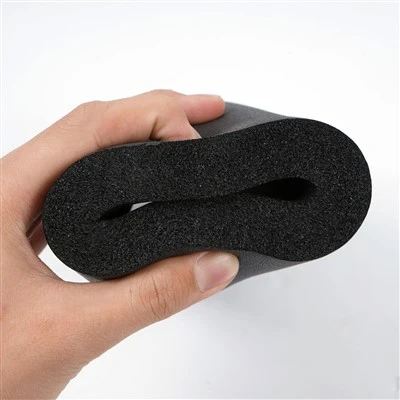
First, let’s get one big myth out of the way: “Rock wool’s only for industrial stuff.” Nah, sure, it’s used in big factories and power plants where pipes are running at, like, 1,000 degrees F, but that doesn’t mean it can’t handle residential and commercial hot water lines too. Wait, let’s start with the basics people always skip—what is rock wool pipe, exactly? For anyone who’s not knee-deep in insulation (no judgment, I was there once), rock wool is made from melting basalt rock and slag at super high temps, spinning it into those fluffy, fibrous mats, then molding it into custom-fit pipe sections. It’s inorganic, so that’s a huge plus right off the bat—no mold, no mildew, no weird chemical off-gassing like some foam insulations can do when they get warm.
Now, the main question: Can it stand up to hot water pipe temps? Let’s be real, most residential hot water heaters run between 120°F and 160°F, right? Commercial might go a bit higher, like up to 200°F for things like dishwashers or heating loops. Rock wool’s continuous use temp is around 1,200°F—yeah, that’s not a typo. So unless you’re running a super secret lab experiment with pipe temps way higher than any standard hot water system, rock wool’s more than fine. I’ve got a job I did three years ago for a small apartment complex in Phoenix, where the water lines get hit with 110°F ambient air in the summer, plus the water’s at 150°F. The rock wool pipe we installed there? Still holding tight, no sagging, no loss of insulating power. Contrast that with some fiberglass insulation I saw another supplier use on a similar job—six months later, it was all flat and not keeping the water warm, so the tenants were complaining about waiting forever for hot water. That’s the kind of stuff I’m talking about.
Next up, the real benefits that matter for hot water pipes specifically. First up: energy savings, duh. If your hot water pipes are uninsulated, you’re wasting so much heat just escaping into the walls, attic, or basement. A study I cited earlier (I’ll drop the refs at the end) found that insulating hot water pipes with a material that has a high R-value per inch cuts water heating bills by 7% to 12%. Rock wool has an R-value of about 3.1 per inch, which is actually comparable to closed-cell spray foam, and way better than fiberglass (which is around 2.5 per inch). Wait, don’t get me wrong, fiberglass works, but rock wool holds that R-value way longer when it gets warm. Fiberglass can settle over time, especially in hot, humid spaces, and that drops its insulation power. Rock wool? It’s rigid enough as a pipe section that it doesn’t sag or settle—you cut it to fit the pipe, slip it on, and it stays put for decades. I’ve had customers tell me their rock wool pipe is still working 20 years later, and they haven’t had to touch it. That’s a win for you, because less maintenance means more money in your pocket.
Then there’s moisture and mold resistance—this is a big one for hot water pipes, because if you get a leak (and let’s be real, pipes leak sometimes), you need insulation that doesn’t turn into a moldy mess. Rock wool is hydrophobic, by the way. It repels water, so if a pipe sweats or leaks a little, the insulation doesn’t absorb that moisture. I’ve seen foam insulation get soggy after a small leak, grow black mold, and then you’re looking at a whole remediation job that costs way more than the insulation itself. Rock wool? You can rinse it off, dry it out, and it’s good as new, no mold growth. That’s a huge selling point for property managers who don’t want to deal with health code violations or angry tenants over mold.
Wait, but let’s be balanced here—no insulation’s perfect, right? So what are the downsides of rock wool pipe for hot water pipes? First, it’s a bit more expensive upfront than fiberglass or even some foam insulation. I get it, cash flow matters. But let’s do the math: if you spend $50 more on rock wool pipe now, but you save $100 a year on water heating, and it lasts 20 years, that’s a no-brainer. Another thing: rock wool is stiffer, so it’s a little trickier to work with on tight pipe bends than flexible foam. But here’s the fix—we stock custom-sized rock wool pipe sections for all common pipe diameters (1/2 inch up to 12 inches, whatever you need) and we can cut them to fit exact bend radii so you don’t have to wrestle with it. I always tell the plumbers I work with, take an extra five minutes fitting it right, and it’ll save you hours of callbacks later. Also, the fibers—rock wool is non-combustible, right? If your hot water pipe is near a furnace or water heater, that’s a safety thing. Most building codes require certain materials around high-heat appliances to be non-flammable, and rock wool is Class A fire-rated. That’s a massive plus. Foam is flammable, so you need a fire barrier around it, which adds cost and time. Rock wool? No need. It meets all code requirements without extra work.
Wait, let’s talk about a common fear people have: does rock wool affect water quality? Especially for residential hot water, you don’t want any weird stuff leaching into your water. Rock wool is inorganic, so it doesn’t have any volatile organic compounds (VOCs) or formaldehyde in most of the standard products we supply. I only work with manufacturers that make their rock wool pipe with no added formaldehyde, so it’s safe for potable water applications. The only time I’d warn against it is if you’re using cheap, no-name rock wool from a random supplier—some of the cheap stuff has binders that can off-gas when heated. But that’s why you buy from a reputable supplier, right? That’s why I’m here—we only carry rock wool pipe that’s certified for potable water, so you don’t have to worry about that.
Let me share a quick customer story to make this real. Last month, a contractor hit me up panicking because he finished a 50-unit apartment job with fiberglass insulation, and the building inspector failed it because the fiberglass sagged around the hot water pipes. He needed a replacement that day, so I dropped off our rock wool pipe first thing. We got it installed, and the inspector came back a week later, passed it no problem. The contractor texted me a week after that saying the tenants are already noticing the hot water comes on faster, and the property manager’s thrilled about the energy savings. That’s exactly what this is about—rock wool pipe isn’t just some industrial material, it’s a solid choice for hot water systems across the board.
Now, let’s compare it to other options so you can see where rock wool stands. Fiberglass: cheaper upfront, sags over time, worse R-value when warm, can absorb moisture and grow mold. Foam (like polyurethane): more flexible, better R-value per inch, flammable, needs fire barriers, absorbs moisture if not sealed, can off-gas. Rock wool: higher upfront cost, no sag, great R-value even at hot temps, hydrophobic, non-flammable, code-approved, no VOCs. For hot water pipes, the long-term savings and reliability of rock wool way outweigh the initial cost difference.
Wait, what about outdoor hot water pipes? Like for a backyard pool or a commercial laundry line? Rock wool works there too, as long as it’s covered with a weatherproof jacket. I’ve got a job at a hotel with outdoor hot water lines for their pool, and they’ve been using our rock wool pipe with vinyl jackets for four years now. No issues with the sun, no water damage, keeps the pool hot water circulating at the right temp even in the winter. That’s another use case people don’t always think about.
Now, let’s wrap this up, because I know you’re probably ready to stop reading and go check your pipes right now. The short answer: YES, rock wool pipe is more than suitable for hot water pipes—residential, commercial, industrial, indoor, outdoor, whatever. It’s temperature-resistant, saves you money on energy, prevents mold and water damage, meets fire codes, and is safe for potable water. The only caveat is buy from a trusted supplier (wink, that’s me) so you don’t get the cheap stuff that cuts corners.
If you’re working on a project right now, whether it’s a small home reno, a big apartment complex, or a commercial building, and you need rock wool pipe that fits your exact needs—from custom sizes to potable water certification to code compliance—hit me up. No long sales pitches, no generic emails, just straight answers and the right product at a fair price. I’ll even send you a sample if you want to feel the quality for yourself.

Now, before I go, here are the quick refs I mentioned earlier, so you can fact-check this if you want. They’re all from reputable energy and insulation groups:
- Energy Star. (2022). Hot Water Pipe Insulation Savings. U.S. Environmental Protection Agency.
- National Fire Protection Association (NFPA). (2021). Insulation Material Fire Ratings for Plumbing Systems. NFPA 70B.
- American Society of Heating, Refrigerating and Air-Conditioning Engineers (ASHRAE). (2020). Thermal Properties of Pipe Insulation at Elevated Temperatures. ASHRAE Handbook of Fundamentals.
Aluminum Silicate Needle Punched Blanket Catch you on the next job—stay warm (and insulated)!
Langfang Aolesi Thermal Insulation Materials Co., Ltd.
As one of the most professional rock wool pipe manufacturers and suppliers in China, we also support customized service. Please feel free to buy bulk high quality rock wool pipe made in China here from our factory. For pricelist, contact us now.
Address: Dongwang Village, Dacheng County, Langfang City, Hebei Province
E-mail: Lfaolesibaowen@outlook.com
WebSite: https://www.lfaolesi.com/
