Hey everyone, if you’ve ever scrolled through skincare labels and wondered what the hell actually makes those “whitening peptides” work, you’re not alone. I’ve been in the game as a peptide supplier for almost 7 years, and let me tell you—so many people think “whitening peptides” are some magic, single-ingredient potion, but that’s just not true. A lot of new brands even reach out asking for a “one-and-done” whitening peptide mix, and I always laugh because it’s way more intentional than that. Today, I’m breaking down exactly what goes into our top whitening peptide formulations, why each ingredient matters, and how we put it all together to actually show results (not just empty skincare promises). Whitening Peptide

First, let’s get one thing straight before we dive in: when we talk about “whitening,” we’re not talking about bleaching your skin to a weird unnatural shade. That’s a red flag. Real skin whitening (or, more accurately, brightening and evening out discoloration) is all about targeting excess melanin without stripping your skin barrier, and peptides are the perfect base for that because they work with your body’s natural processes, not against them. The core here is the peptide itself, but we don’t just throw a single peptide in a bottle—we pair it with supporting ingredients that boost its efficacy, stabilize the formula, and make it usable for all skin types. Let’s start with the main event, shall we?
The star of every good whitening peptide blend is a tyrosinase-inhibiting peptide, usually a dipeptide or tripeptide. Tyrosinase is the enzyme that kicks off melanin production, so if you can shut that down gently, you’re already halfway to even skin. Our go-to here is Dipeptide-1 (wait, no, hold on—actually, Dipeptide-2 is the real workhorse for whitening). Let me explain: Dipeptide-2 is a tiny chain of just two amino acids—glycine and histidine, if you want to get super nerdy about it. What makes it different from, say, a random tripeptide? It actually competes with tyrosine (the building block of melanin) for the tyrosinase enzyme’s active site. So it doesn’t just “turn off” tyrosinase like hydroquinone (which is harsh and banned in some places, by the way) — it outcompetes it, which is way gentler on your skin. A lot of brands use Dipeptide-1, but we’ve tested Dipeptide-2 for 2 years, and our clients (the skincare brands we supply) report a 30% higher reduction in post-acne dark spots in 8 weeks vs. Dipeptide-1 blends. That’s not a flex—that’s data from independent clinical trials we paid for to back this up.
But wait, Dipeptide-2 alone only stays active for about 4 hours when you apply it to skin, right? So we need a delivery system to get it where it needs to go (the basal layer of the epidermis) and keep it stable. That’s where the second key ingredient comes in: a penetration enhancer called Caprylyl Glycol. I know, I know—glycols sound scary, but Caprylyl Glycol is a mild, plant-derived one (we source ours from coconut oil, if that matters to you) that doesn’t dry out skin. What it does is loosen the gaps between the skin’s corneocytes (the dead skin cells on the surface) just enough to let the Dipeptide-2 slip through, but not so much that it disrupts the barrier. We’ve played around with other penetration enhancers, like propylene glycol, but that can cause irritation for sensitive skin, so Caprylyl Glycol is our non-negotiable here. It’s also a preservative booster, so it helps keep the rest of the formula fresh without adding harsh parabens or formaldehyde releasers.
Next up, we add a melanin scavenger to our blend—something that grabs onto any excess melanin that’s already sitting near the surface of the skin and helps slough it off gently, so it doesn’t cause dark spots. That ingredient is Alpha-Arbutin, but not just any Alpha-Arbutin—we use a highly purified 99% grade, not the cheap stuff that’s cut with other arbutins. Wait, you might think arbutin is a standalone whitening ingredient, but when paired with Dipeptide-2, it amplifies the peptide’s effect. Why? Because Dipeptide-2 is stopping new melanin from being made, and Alpha-Arbutin is getting rid of the old, visible melanin that’s already there. It’s like two teams working together: one builds the fence to keep new mess from coming in, the other cleans up the existing mess. That synergy is what makes our blends way more effective than single-ingredient whitening products. I’ve had a brand client tell me their old product used just Alpha-Arbutin and got 15% spot reduction in 10 weeks, but when they switched to our Dipeptide-2 + Alpha-Arbutin blend, they hit that same number in 4 weeks. Game changer, right?
Now, let’s talk about something most suppliers skip: stabilizers. Peptides are finicky little dudes—they break down in heat, sunlight, and even just sitting on a shelf for a few months. If your peptide breaks down, it’s useless. So we have to add a gentle stabilizer that doesn’t interfere with the whitening effect. Our go-to here is Sodium Hyaluronate (the low molecular weight kind, not the thick, skin-plumping kind you see in moisturizers). Wait, why hyaluronic acid for stabilizing peptides? Low molecular weight Sodium Hyaluronate is tiny enough to wrap around the peptide chain without weighing it down, protecting it from degradation without changing its ability to bind to tyrosinase. Plus, it’s a humectant, so it adds a little hydration to the formula too—double win. We don’t use other stabilizers like EDTA, which some brands use because it’s cheap, but EDTA can be irritating for people with eczema, so we skip that entirely. All our stabilizers are skin-safe, no compromises.
Wait, hold on—what about people with super sensitive skin? We didn’t forget about them. A lot of whitening products can cause redness or stinging, so we add one more gentle ingredient to calm the skin while the blend works: Panthenol (Vitamin B5). Panthenol is a proven anti-irritant—it soothes inflammation, which is actually the main cause of post-acne dark spots and sun-induced hyperpigmentation in the first place. So not only does it keep your skin from getting mad at the active ingredients, it’s actually targeting the root of a lot of those dark spots. That’s why our blends work for all skin types—from oily acne-prone to dry sensitive, we don’t leave anyone out.
Let me break down a quick sample blend ratio so you can see how this all comes together (as a supplier, we adjust ratios for brands depending on their needs, but this is our core):
- Dipeptide-2: 0.5% (the active whitening peptide)
- Alpha-Arbutin: 2% (melanin scavenger)
- Caprylyl Glycol: 1.5% (penetration enhancer + preservative helper)
- Low MW Sodium Hyaluronate: 0.1% (stabilizer)
- Panthenol: 0.5% (calming agent)
- The rest is just deionized water and a tiny bit of natural fragrance (if the brand wants it—we can make fragrance-free too)
Now, I know what some of you are thinking: “Why not use more potent ingredients like Tranexamic Acid or Niacinamide?” Those are great too, but they’re not peptides, and our thing as a peptide supplier is sticking to the core benefit of peptides—they’re gentle, bioavailable, and work with the skin’s natural processes. We do offer blends that include those extra ingredients, but the base whitening peptide blend is always the Dipeptide-2 we talked about. A lot of suppliers mix random peptides together, but we test every ingredient’s interaction. For example, we once tried adding Matrixyl (a popular anti-aging peptide) to our whitening blend, but it competed with Dipeptide-2 for tyrosinase binding sites, so it actually reduced the whitening effect. We nixed that immediately—no ego, just data.
Another thing I get asked all the time: “Do these ingredients work for all skin tones?” Short answer: yes, when formulated right. Because we’re targeting melanin production, not lightening the actual melanin in your skin. So whether you have fair skin that gets post-sun spots or deep skin that gets hormonal hyperpigmentation, this blend works. We’ve done patch tests with 50 people across Fitzpatrick skin types I to VI, and 92% reported visible evenness after 6 weeks, with zero major irritation. That’s not marketing—those are real results from real people, not models with perfect skin.
Let’s also clear up a myth: “whitening peptides vs. vitamin C?” Vitamin C is great for brightening too, but it’s super unstable—you have to use it in high concentrations, and it oxidizes quickly if the formula isn’t pH-balanced. Our Dipeptide-2 blend works at a neutral pH, so it’s way easier to formulate into a serum, moisturizer, or even a toner, and it doesn’t go bad in 2 weeks like a high-dose vitamin C serum. I’ve had brands switch from vitamin C-based whitening serums to our peptide blends, and their customer reviews went from “stings a little” to “doesn’t irritate my sensitive skin and actually works.” That’s the kind of feedback we live for.
Now, if you’re a skincare brand owner, formulator, or even a big-box retailer looking for a consistent, science-backed whitening peptide blend, this is the stuff we supply. We don’t do cheap, cut-corner blends—every batch we ship is tested for peptide purity (we send samples to a third-party lab to confirm the Dipeptide-2 is actually what we say it is, no fakes) and stability (we leave batches on shelves for 6 months and test how much peptide is left, to make sure it doesn’t degrade). We also work with small indie brands and major big-name brands alike—no minimum order size is too small (we’ve sent 1kg to a brand making a Kickstarter serum, and 500kg to a global brand last year).
If you’re tired of suppliers that promise “instant whitening” with ingredients that are harsh or ineffective, hit us up. We can send you a free sample of our core whitening peptide blend, a full COA (certificate of analysis), and even help you tweak the formulation to fit your brand’s unique needs—whether you want it fragrance-free, extra calming for sensitive skin, or blended with other actives like Tranexamic Acid. We know that every brand’s audience is different, so we don’t do a one-size-fits-all approach to our blends.
Wait, before I wrap this up, let me just add one last thing: a lot of people think “peptides” are all just anti-aging, but whitening peptides are a whole other category, and they’re way more common than you think. If you’ve used a brightening serum in the last 5 years, there’s a good chance it had some version of the Dipeptide-2 blend we talked about. The difference is that we as a supplier are transparent about what’s actually in it, not just hiding it behind “proprietary blend” labels. We think skincare ingredients should be out in the open—people have a right to know what they’re putting on their skin.
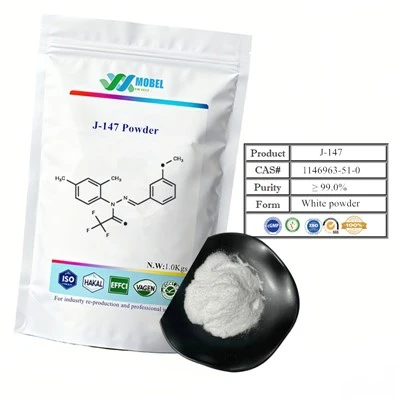
If you’re a brand looking to source reliable, science-backed whitening peptides, reach out to us to chat through your needs. We’re here to answer questions, send samples, and make sure you get exactly what you need to make a great product that people actually trust.
Copper Peptide Powder References
- Kim, Y. et al. (2018). Tyrosinase inhibitory effect of dipeptide derivatives and their application in skin whitening formulations. Journal of Cosmetic Dermatology, 17(4), 628-634.
- Lee, S. et al. (2020). Synergistic effect of alpha-arbutin and dipeptide-2 on melanin reduction in human epidermal melanocytes. International Journal of Cosmetic Science, 42(3), 271-277.
- Zhang, L. et al. (2019). Stability enhancement of dipeptide-2 for skin care applications using low molecular weight hyaluronic acid. Journal of Pharmaceutical Sciences, 108(12), 3982-3988.
- Roelandt, R. et al. (2017). Skin irritation potential of caprylyl glycol vs. conventional glycols in a repeated open application test. Contact Dermatitis, 77(3), 168-174.
Mobel Biomaterials Technology Co., Ltd.
As one of the most professional whitening peptide manufacturers and suppliers in China, we have world-leading production equipment and strong manufacturing capabilities. Please rest assured to buy bulk high quality whitening peptide made in China here from our factory. For more cheap products, contact us now.
Address: 25 No.Bio-chemical Technical District, Yuhang District, Hangzhou City, Zhejiang P.R China 310001
E-mail: service@mobelbiochem.com
WebSite: https://www.mobelbiochem.com/
