If you’ve ever built a 3D puzzle—whether it’s a tiny medieval castle, a complex starship, or a detailed vintage car—you know the drill: hours of careful planning, squinting at tiny tabs, and that tiny win when you snap the last piece into place. But let’s be real: over time, these little pieces collect dust, get smudged with fingerprints, or even pick up crumbs from that late-night building session. As a 3D puzzle supplier, I get so many DMs and emails from customers asking the same thing: “How do I clean this without messing up all the hard work?” I’ve seen people use paper towels (too scratchy!), submerge whole puzzles in water (big mistake!), and even reach for window cleaner (hello, cloudy plastic!). Today I’m breaking down exactly how to clean your 3D puzzle the right way—no stress, no broken pieces, and no ruining that cool display you put together. 3D Puzzles
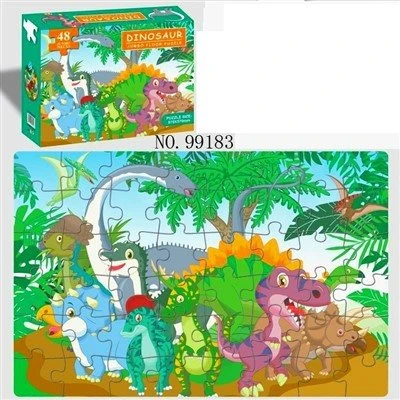
First, let’s start with the basics: what even are 3D puzzles made of? Most of the ones we supply are either high-quality plastic (think ABS, the stuff that’s tough but not brittle) or foam board (that lightweight, textured stuff often used for architectural puzzles). A few specialty ones might have paper decals or glossy finishes, too—so cleaning rules change a little depending on what you’re working with. Before you grab any cleaning supplies, do a quick check: run a finger over a tiny, hidden piece (like the bottom of a tower or a part that’s sitting against the shelf) to see if the plastic feels matte, glossy, or if the foam has a rough, cardboard-like texture. That quick check will save you from a whole lot of oops moments.
Now, let’s talk about the most common cleaning scenario: regular, light dusting. If your puzzle’s just got a thin layer of dust, you don’t need to get fancy—skip the water entirely. Grab a soft-bristled paintbrush (the kind you use for model kits, with tiny, fluffy bristles) or a microfiber cloth (the same stuff you use for your phone screen, not your regular kitchen towel). Here’s the trick: don’t rub hard. Instead, lightly brush or dab the cloth over the pieces, moving with the grooves instead of against them. For tiny nooks—like the gaps between a castle’s windows or the grilles on a car—use the edge of the paintbrush to get in there. We always tell customers this first because it’s the fastest and least risky way. I once had a customer who had a space shuttle puzzle with tiny rocket thrusters; he used a cotton swab (the ones with the pointed tip, not the big fluffy ones) to get dust out of those little holes, and it worked like a charm. Just make sure the cotton swab’s not dripping with anything—dry only. That’s rule #1 for light cleaning: dry, soft tools only.
But what if it’s more than just dust? Fingerprints are the big one, especially on glossy plastic puzzles. You know the ones—you leaned in to adjust a piece, and your oiled fingers left a smudge that won’t come off. This is where a tiny bit of water comes in, but only for plastic puzzles. Never use soapy water for the first go—just a damp (not wet!) microfiber cloth. Wring the cloth out really good until it’s almost dry, then gently wipe the smudge in one direction. If that doesn’t work, you can add a drop of mild dish soap (the kind for hand-washing dishes, not harsh antibacterial stuff) to the cloth, making sure it’s super diluted. Wipe again, then immediately go over the spot with a clean, damp cloth to get rid of all the soap residue—because soap left on plastic will make it cloudy over time. I learned this the hard way when I tested cleaning a sample puzzle years ago; I used too much soap and had to buff it for 10 minutes to get the shine back. Don’t be me.
Now, what about foam board puzzles? Those architectural or landscape ones that feel lightweight, almost like thick cardboard. You cannot get these wet. At all. Foam absorbs water like a sponge, and it’ll warp, crinkle, or peel the printed layer right off. For foam board, stick to the dry methods first: soft brush, microfiber cloth, and for tough spots like a crumb stuck in a sidewalk or a tiny dirt smudge, a clean eraser (the kind for pencil marks, not the pink rubber ones). Gently rub the eraser over the spot, and it should lift right off. I’ve had customers build a tiny Eiffel Tower foam puzzle and get gum stuck on the base; they used a frozen ice cube to harden the gum, then gently peeled it off, then rubbed a tiny eraser over the leftover sticky spot. That worked way better than trying to pick it off with a tool and scratch the foam.
Here’s a part most people don’t think about: what if your puzzle has small, loose pieces? Wait, did you know some 3D puzzles have tiny bits (like the doors on a castle or the wheels on a car) that aren’t glued? Wait—wait, hold on, important: if your puzzle’s a display piece (the kind you don’t take apart to play with), most of our puzzles come with a small amount of recommended adhesive for loose pieces. But if you’re cleaning, you don’t want to pull pieces off if they’re glued, right? So first, make sure all pieces are secure. If you’re unsure, leave it as is until you can check the instruction manual (we keep all digital manuals on our site for easy reference, by the way). If there are loose, unglued pieces, gently take them off before cleaning—mark them with a tiny sticker if you need to, so you know where they go. Clean them separately, same rules apply, then pop them back in. That way you don’t accidentally knock a piece loose mid-clean and lose it (ask me how I know— I once lost a tiny flag from a mini Statue of Liberty puzzle and had to order a replacement piece for weeks).
Now, let’s cover the mistakes you need to avoid at all costs. First, never use harsh chemicals: window cleaner, bleach, all-purpose spray, even rubbing alcohol. Alcohol breaks down the plastic over time, making it brittle, and window cleaner leaves streaks that are impossible to get off. I’ve had so many customers send us photos of their puzzles with cloudy plastic because they used Windex—never fun to see. Second, don’t submerge any puzzle in water. Even if it’s plastic, soaking can warp the pieces, loosen any printed layers, and take hours to dry. Third, don’t use rough tools: paper towels (they have tiny wood fibers that scratch plastic), scouring pads, or old rags with lint (that lint gets stuck in the grooves and is a nightmare to get out). Fourth, never pull or pry pieces apart to clean—if a piece feels stuck, leave it, because we know how frustrating it is to mess up a puzzle you spent hours building.
Wait, what if you have a puzzle that’s really dirty—like, it’s been sitting on a shelf in a garage or basement for years, covered in grime? We get this sometimes from customers who inherited a puzzle or found one at a thrift store. For heavy-duty cleaning, for plastic only, here’s a method we recommend. First, mix a tiny amount of mild dish soap with cold water (warm water can sometimes affect printed plastic). Fill a small bowl with just an inch or two of this soapy water. Take apart all the pieces (if they’re not glued) and put them in the bowl, making sure they’re not crowded. Let them soak for 5 minutes max—no longer, because that can loosen glue or fade decals. Then, gently swish them around with your hand, or use a soft brush for tough spots. Take them out immediately, and rinse each piece under cold running water (make sure the water pressure is low, don’t blast them). Then, lay them flat on a clean towel to air dry—don’t use a hair dryer, because the heat can warp plastic. Once they’re totally dry, you can put the puzzle back together. For foam board puzzles that are extra dirty, the only way is to use a soft brush and a little bit of rubbing alcohol on a microfiber cloth (only a tiny bit, and test it on a hidden spot first!) to lift grime, but be super careful—alcohol can damage the printed foam.
Also, a quick pro tip from our team: once your puzzle is clean, keeping it that way is way easier than deep cleaning it every few months. We recommend dusting it every 2 weeks with a microfiber cloth, and keeping it away from vents, windows, or areas where people eat and drink. If you have a display case for your puzzle (we sell those too, by the way—perfect for keeping dust off), that’s a game changer. We have a customer who has a 3D puzzle of the Titanic in a glass display case, and she only cleans the case once a month; the puzzle inside looks brand new, even after 3 years.
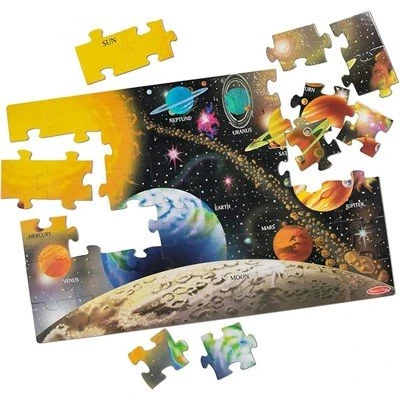
Now, if you’re someone who’s got a 3D puzzle collection, not just one or two, this stuff adds up. We’ve heard from so many customers that building these puzzles is a hobby, and keeping them clean is part of enjoying them long-term. Whether it’s a gift for your kid, a hobby you do on weekends, or a display piece in your office, a clean puzzle shows off all the hard work you put into it.
Puzzle Speaking of collections, if you’re thinking of stocking 3D puzzles for your store, or if you’re a collector looking for high-quality, durable puzzles that are easy to maintain, hit us up. We offer bulk pricing, custom options, and all the support you need to keep your inventory or your personal collection in tip-top shape. Just reach out to our sales team to chat about what you’re looking for. Don’t hesitate—we’re here to help with everything from cleaning tips to picking out the perfect puzzle for your space.
References
- "Care and Maintenance of Plastic Model Kits", Hobby Industry Association, 2022
- "Cleaning Tips for 3D Printed Objects", Additive Manufacturing Users Group, 2021
- "Guidelines for Cleaning Foam Board Display Materials", Graphic Arts Technical Foundation, 2020
NINGBO LOTO PACKAGE MANUFACTORY CO.,LTD
Ningbo Sentu Art and Crafts Co., Ltd. is one of the most professional 3d puzzles manufacturers and suppliers in China. With abundant experience, we warmly welcome you to buy high quality 3d puzzles made in China here from our factory. If you have any enquiry about cooperation, please feel free to email us.
Address: 3rd Floor, Momi Community, New Jinfeng, No. 68, Chunchao Road, Yinzhou District, Ningbo City, Zhejiang Province, Ningbo, Zhejiang, China
E-mail: sales@nbprinting.com
WebSite: https://www.lotopuzzle.net/
