If you’ve ever stood in a utility room, workshop, or even a residential basement watching someone flip a switch to stop a small electrical fault in its tracks, you’ve almost certainly interacted with a molded case circuit breaker. As a circuit breaker supplier who’s worked with these components for over a decade, I can tell you they’re far more than just a “safety switch” – they’re a precise, engineered device that balances everyday electrical convenience with life-saving protection, all wrapped in a tough, standardized housing that makes them easy to install and replace. Let’s break down exactly what they are, how they work, and why they’re non-negotiable for any electrical setup. Circuit Breaker

First, let’s start with the basics: a molded case circuit breaker (MCCB) is an overcurrent protection device designed to interrupt abnormal electrical flow before it can damage wiring, appliances, or even cause a fire or electric shock. Unlike simpler fuses – which are single-use and must be replaced after blowing – MCCBs are reusable. When they trip, you just reset them, and they’re ready to go again. The “molded case” part refers to their durable, heat-resistant plastic housing, molded into a compact, standardized shape that fits into standard electrical panels, unlike larger, less modular circuit breakers like power circuit breakers used in industrial substations.
What sets MCCBs apart from smaller residential miniature circuit breakers (MCBs) is their higher current rating. While MCBs typically handle up to 125 amps, MCCBs can carry anywhere from 100 amps to 2,500 amps, making them ideal for commercial spaces, construction sites, large machinery, and multi-unit residential buildings where electrical demand is far higher than in a single home. That higher current capacity doesn’t come at the cost of precision, though. Every MCCB is calibrated to trip at a specific overcurrent threshold – for example, a 200-amp MCCB will only trip if the current flowing through it exceeds 200 amps, preventing unnecessary downtime from nuisance tripping while still stopping dangerous overloads.
Now, let’s get into how they work, because that’s where the engineering magic happens. Inside the molded housing, you’ll find three core components that work together seamlessly to keep circuits safe: the thermal trip unit, the magnetic trip unit, and the operating mechanism. Let’s break each down:
The thermal trip unit is responsible for protecting against long-term overloads – the kind that happen when you plug too many space heaters into one outlet, or a frayed appliance cord causes a small, sustained extra current. This unit uses a bimetallic strip, made of two different metals bonded together that expand at different rates when heated. As current flows through the breaker, the strip warms up; if the current stays above the rated load for an extended period (too long to trip instantly, but enough to overheat wiring over time), the bimetallic strip bends, pushing a lever that triggers the breaker’s mechanism to disconnect the circuit. This is why you’ll sometimes notice a breaker that tripped after running a workshop for hours – it’s the thermal unit doing its job, letting you know there’s a sustained overload that needs to be addressed.
Next is the magnetic trip unit, which handles short circuits – the fast, destructive faults that happen when a hot wire touches a neutral or ground wire, creating a surge of current that can reach thousands of amps in milliseconds. Unlike the thermal unit, which reacts over seconds or minutes, the magnetic unit reacts in microseconds, instantly interrupting the current before it can generate enough heat to melt wiring or ignite insulation. This unit uses an electromagnet coiled around the main current path; when the current surge exceeds the breaker’s magnetic trip threshold (usually 5 to 10 times the rated current, depending on the model), the magnet pulls a plunger that immediately trips the breaker, cutting power faster than the blink of an eye. That split-second reaction is what turns a potential fire into a minor inconvenience, letting you reset the breaker after isolating the short.
Finally, the operating mechanism is the part that connects to the breaker’s external handle, which you flip to turn power on or off, or to reset it after a trip. This mechanism is spring-loaded, so when it’s triggered by either the thermal or magnetic unit, it moves quickly to pull the breaker’s contacts apart. The contacts are made of conductive, durable material (usually silver or copper alloy) to handle repeated making and breaking of current without wearing out. Many MCCBs also include additional features like undervoltage protection, which trips the breaker if the power supply drops too low (preventing damage to sensitive electronics like computers or refrigerators that can malfunction with unstable power) or ground fault protection, which detects small current leaks to ground that could cause electric shock.
As a supplier, I’ve seen firsthand how often people confuse MCCBs with other circuit protection devices, so it’s important to clarify when to use an MCCB versus an MCB or a fuse. Miniature circuit breakers are great for residential circuits with lower current needs, but they’re not designed to handle the heavy loads of a 100-amp commercial kitchen or a construction site’s power distribution panel. Fuses, meanwhile, are still used in some older setups, but they’re less flexible – if a fuse blows, you have to physically replace the element, and many are not rated for the higher short-circuit currents that modern industrial and commercial equipment generates. MCCBs strike the perfect balance: they’re modular, reusable, and adjustable (many models let you change the trip rating to match a specific application, making them more versatile than fixed-amp MCBs or fuses).
Another key benefit of MCCBs is their compliance with global safety standards, which is non-negotiable for any electrical installation. All reputable MCCBs are tested and certified to meet standards like IEC 60947-2 (the international standard for low-voltage switchgear) or UL 489 in the U.S. and Canada. These certifications ensure that the breaker will perform as advertised, trip at the correct thresholds, and withstand the harsh conditions they’re often exposed to – from dust and moisture on construction sites to temperature fluctuations in unheated warehouses. That’s why, when a builder or electrician comes to us for MCCBs, I always emphasize checking for those certifications; a cheap, uncertified breaker might save money upfront, but it’s a risk for electrical failures that can lead to costly downtime, or even legal liability if an accident happens.
I also want to touch on common use cases for MCCBs, because that helps illustrate why they’re so widely used. In commercial buildings, MCCBs are the main protection for main distribution panels, which power entire floors, retail spaces, or office buildings. In manufacturing, they protect heavy machinery like conveyor belts, CNC machines, and packaging equipment, where a fault could not only damage the machine but halt entire production lines. Construction sites rely on MCCBs for temporary power distribution, since they need to handle variable loads from tools, lights, and equipment and be rugged enough to withstand job site conditions. Even large residential complexes use MCCBs in their main electrical rooms, as they can handle the combined load of dozens of apartment units more efficiently than multiple smaller MCBs.
Of course, like any electrical component, MCCBs have a lifespan, and they require regular maintenance to stay effective. As a supplier, I always advise my customers to inspect their MCCBs every 3 to 5 years, depending on how often they’re used. Look for signs of wear: discoloration around the contacts, a loose handle, or rust on the molded case (especially if it’s in a damp environment). Testing the trip function is also important – many electricians will perform an “injection test,” which sends a controlled overcurrent through the breaker to make sure it trips at the correct threshold. Never ignore a breaker that trips repeatedly without an obvious overload or short; that’s a sign it’s wearing out and needs to be replaced, because a failing breaker won’t protect your equipment or people when it matters most.
One common misconception I run into is that all MCCBs are the same, but that’s not true. There are different types tailored to specific applications: for example, “thermal-magnetic” MCCBs, which combine the thermal and magnetic trip units we talked about, are the most common for general use. “Electronic trip” MCCBs, meanwhile, use digital sensors instead of bimetallic strips and electromagnets, allowing for more precise adjustable trip settings and even communication capabilities that let you monitor the breaker’s performance remotely – a big benefit for smart buildings or industrial facilities that want to track electrical usage and faults in real time. There are also MCCBs with higher short-circuit current ratings for harsh industrial environments, or weatherproof models for outdoor installations like parking lot lighting panels.
At the end of the day, the molded case circuit breaker is a foundational piece of electrical infrastructure that most people never think about – until it does its job. When a short circuit fries a commercial oven, or a sustained overload damages a factory’s wiring, the MCCB that was installed years prior is the reason the problem didn’t turn into a fire. As someone who’s spent years providing circuit breakers to electricians, contractors, and facility managers, I can’t overstate how important it is to choose the right MCCB for your needs, from the correct amperage to the right certification and type.
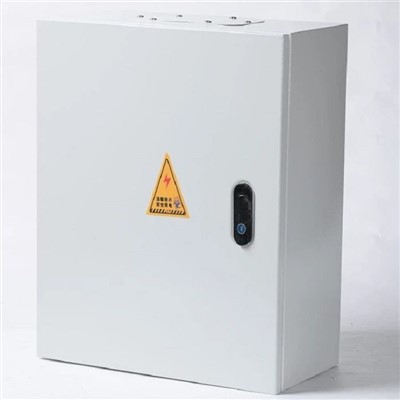
Whether you’re outfitting a new commercial building, upgrading your construction site’s power setup, or replacing a worn breaker in your facility, having the right molded case circuit breaker is critical for safety and reliability. If you’re not sure which MCCB fits your specific application, our team is here to help. We work with a wide range of MCCB models, from standard thermal-magnetic units to advanced electronic trip options, and we can walk you through the best choice based on your load, installation environment, and budget. Reach out to our team to discuss your requirements, and let’s find the perfect circuit protection solution for your needs.
XL-21 Cabinet References
- IEC 60947-2: Low-voltage switchgear and controlgear – Part 2: Circuit breakers
- UL 489: Standard for Molded-Case Circuit Breakers, Metering Circuit Breakers, and Circuit Breaker Enclosures
- National Electrical Code (NEC): Article 240 – Overcurrent Protection
- Electrical Safety Foundation International (ESFI): “Circuit Breaker Basics and Safety Guidelines”
- International Association of Electrical Inspectors (IAEI): “Application of Molded Case Circuit Breakers in Commercial and Industrial Installations”
Shandong Qinghua Yike Electric Co., Ltd.
Address: No. 378 Taozhuang Village, Zaoyuan Town, Lanshan District, Linyi City, Shandong Province
E-mail: admin@sd-qhyk.com
WebSite: https://www.qhecobox.com/
